The winter solstice is one of the most fascinating astronomical events of the year. Marking the shortest day and longest night in the Northern Hemisphere, it has been celebrated for centuries through cultural traditions, festivals, and gatherings. From the ancient stones of Stonehenge to the passage tombs of Ireland, travelers continue to visit iconic destinations to witness this remarkable event.
This guide explains what the solstice is, why it occurs, and the best places to experience it. to know when they occur, what they mean, and where to go.
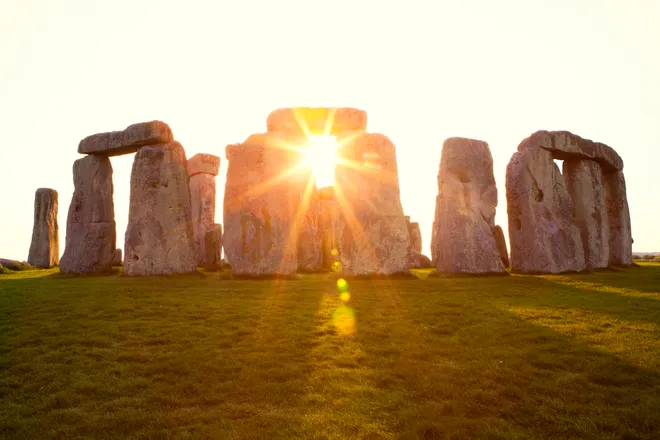
The meaning of the Solstice and its types
A solstice is a particular time when either of the two hemispheres or poles (northern or southern) on Earth reaches its maximum tilt. Consequently, the sun attains its highest or lowest elevations in the sky. Ultimately, this determines the longest and shortest days on Earth every year.
During the December solstice, the Northern Hemisphere is tilted away from the Sun, marking the beginning of winter and the shortest day of the year. At the same time, the Southern Hemisphere experiences summer and its longest day. The dates of the summer and winter solstices vary each year slightly, typically occurring around June 20-21 and December 21-22.
Look out for Emperor Traveline’s Tour Packages.
Click here now!!!
What is the longest and shortest day of the year?
During the winter solstice, the sun will be at its lowest elevation in the sky. So, the day becomes short and the night becomes long. On the other hand, during the summer solstice, the sun will be at its maximum elevation in the sky. So, the day becomes long and the night becomes short. This is how the longest and shortest days of a year are decided.
The exact dates of the summer and winter solstices vary slightly each year, typically occurring around June 20-21 and December 21-22.
The history and culture behind the Happy Solstice
Our ancestors celebrated the winter solstice in the midwinter as an event of the rebirth of the sun. Particularly, certain tribes or communities celebrated this as a grand spiritual event and determined that the time for fermenting wine and beer had come.
Moreover, some communities marked it as a time of seasonal change from fall to winter. A few communities believed that sacrificing cattle could help them survive through the extreme winter weather.
Countries celebrating the Winter Solstice
Naturally, the winter solstice can be experienced in many northern hemisphere regions, like:
- Stonehenge in England,
- Barcelona’s Hospital de Sant Pau in Spain,
- Royal Burgh in Scotland,
- Ny Carlsberg Glyptotek Museum in Denmark,
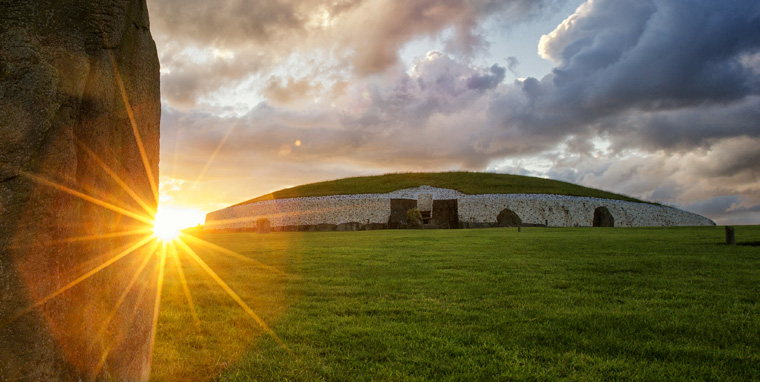
- the inner chambers of Newgrange Tomb in Ireland,
- Denali National Park in Alaska,
- Mayan structures in Mexico, etc.
Of these, the oldest one is the Newgrange tomb in Ireland, which is believed to have been built around 3200 B.C. If you ask us, “Where is the best place to see the winter solstice?” we would vote for the solstice at Stonehenge, England, the most celebrated one besides the Newgrange tomb.
Today, thousands of visitors gather annually at Stonehenge to witness the solstice sunrise, making it one of the world’s most famous solstice celebrations.
Every year, on the day of the solstice in December, various tribal communities of England, like neo-druids, Wiccans, and ordinary tourists and travelers, gather at Stonehenge early in the morning and rejoice watching the sunrise over the stones.
Undoubtedly, the panoramic landscape of this moment is truly magical and it will leave you with goosebumps all over your body.
The Summer Solstice longest day of the year
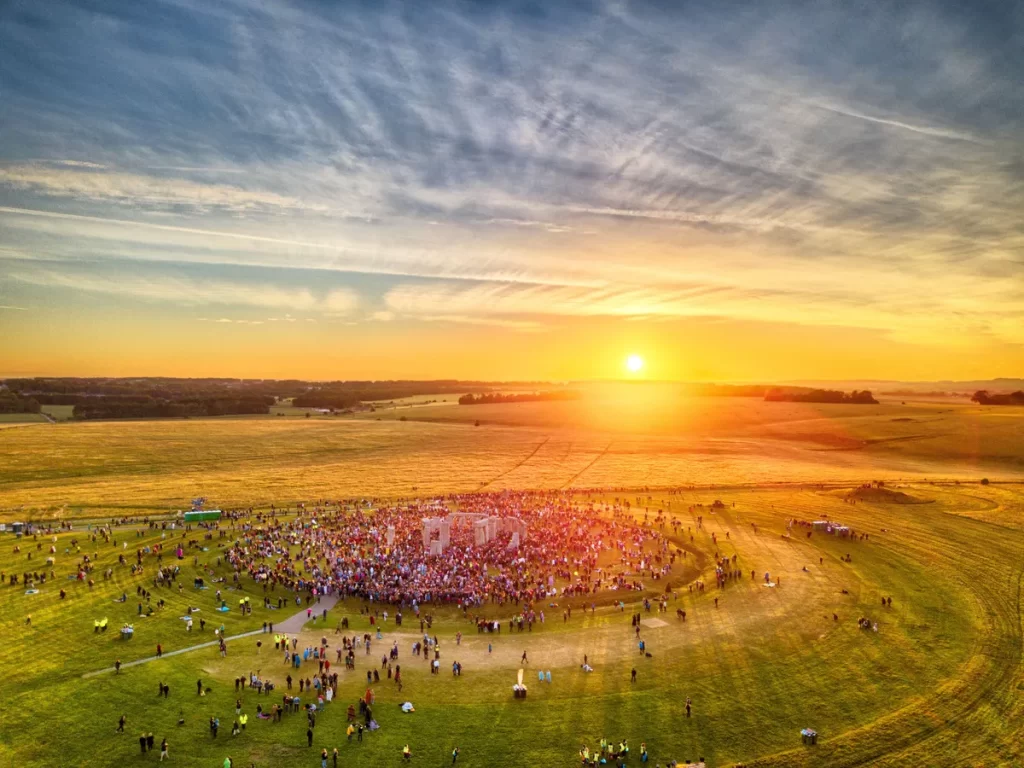
As the summer solstice marks the longest day and the beginning of the summer season, many places, including Reykjavik in Iceland, the Stockholm Archipelago in Sweden, Fairbanks in Alaska, the mountains of the Tyrol in Austria, Stonehenge in England, Ottawa in Canada, Longyearbyen in Norway, and Giza in Egypt, celebrate it as a mass indigenous festival. People from the nearby cities and regions, along with tourists, gather at these places and witness the summer solstice sunrise.
Planning to experience unique cultural and astronomical events around the world? Explore international tour packages from Emperor Traveline and discover unforgettable travel experiences throughout the year
FAQ
- What is the winter solstice?
The winter solstice is the day with the shortest period of daylight and the longest night of the year in the Northern Hemisphere. - When does the winter solstice occur?
It usually occurs between December 21 and December 22 each year. - Where is the best place to experience the winter solstice?
Popular destinations include Stonehenge in England, Newgrange in Ireland, and various cultural sites across Europe and North America. - Why is Stonehenge associated with the winter solstice?
Stonehenge is aligned with the movements of the Sun, making it a significant gathering place for solstice celebrations.