Croatia Tourist Places | Best Holiday Destinations
We have lots of amazingly bright ideas woven together to make your holidays worth reminiscing about in every fabric of your heart. While you plan….
We have lots of amazingly bright ideas woven together to make your holidays worth reminiscing about in every fabric of your heart. While you plan to get soaked in the sun beside the Adriatic Sea, hold on to your adrenaline for some exciting tips we have to tell you before you pack your bags to Croatia.
For a first-time traveler, you would be eager to know about the top sights, beaches, and recommended highlights. There is plenty you can do to make your holidays active by indulging in scuba diving, rafting, Kayaking, fishing, rock climbing, or playing some golf. Croatia is becoming an emerging tourist destination. The country is associated with pebbles, National parks, Nature parks and over 6ooo km coastline.
!
Croatia climate
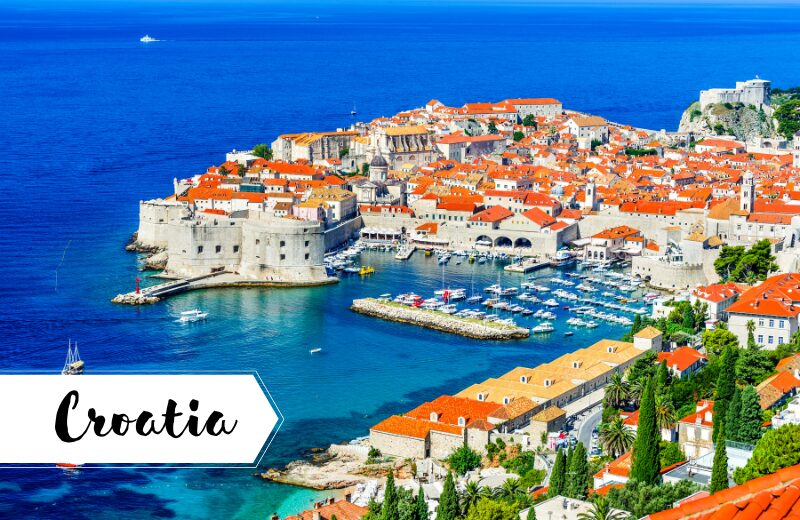
Due to its history, culture & warm temperature, Croatia is attracting tourist crowds every year. There is a temperate climate spanning the mountainous regions & the south side enjoys a quiet Mediterranean weather. Summers are usually hot and dry. Winters are mild and humid. Summer is the peak time for tourists.
Stay in Croatia
Selecting the right accommodation is very important to begin the tour on a pleasant note. You have family hotels, hostels, spa resorts, and you can get all the inside information you need if you are planning a trip. The prices of rooms are fairly reasonable and one can afford to have a comfortable stay in Croatia’s rentals and hostel rooms.
However, it is always best to plan your travel so that you can discover places that require a second visit. The locals are friendly and intriguing. The food is yummy to satisfy our taste buds. Croatian nights are splendid as there is a lot of sightseeing in the offing, which is one of the best ways to get recharged.
Getting around Croatia
Croatia has a simply fantastic bus system. The Croatian bus system runs on an intercity basis. This means that you will get to travel from one city to another based on the type of travel pass you have purchased. There are many options & you need to take some time out to plan your transportation. Moreover, buses connect cities & they are inexpensive, making them the most preferred mode of transport. However, for longer routes, it is advised to buy a ticket and get the seats allocated. Refer to the Croatia bus timetable for all details.
Best time to visit Croatia
May, June, and September are among the best months to tour Croatia. The temperature is pleasant and crowds are smaller. July and August are hotter and busier. Winters can be cold in some regions, while mountains may see snow. This country is mostly visited during the shoulder season. Also, read about some other Top 10 Shoulder Season Destinations in the World.
Currency in Croatia
- The official currency is the Euro, and foreign exchange centers are easily available in tourist areas.
Croatia Tourist Places
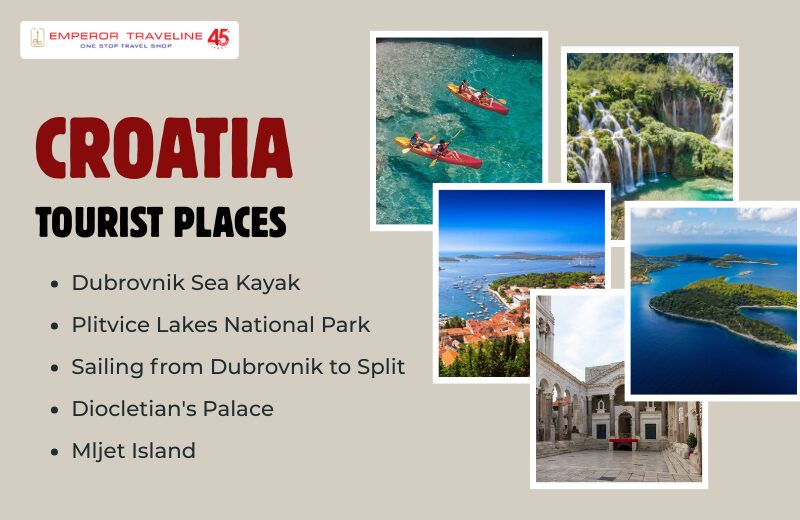
- Dubrovnik Sea Kayak
- Plitvice Lakes National Park
- Sailing from Dubrovnik to Split
- Diocletian’s Palace
- Mljet Island
- Istria
- Zagreb
- Zlatni Rat
Dubrovnik Sea Kayak
- Set out with a small group into the blue sea and enjoy beautiful views of the historic city walls and coastline.
Plitvice Lakes National Park
- There are 16 lakes connected through cascading waterfalls inside this dense national park. It is one of Croatia’s most beautiful natural wonders.
Sailing from Dubrovnik to Split
- Relax on a yacht, explore islands and beaches, and enjoy the mix of culture and nightlife along the coast.
Diocletian’s Palace
- Facing the harbor, this Roman-era palace in Split is an architectural marvel built with stones from Brač and marbles from Italy and Greece.
Mljet Island
- Covered with vineyards, national parks, pine forests, and saltwater lakes. It is peaceful and perfect for nature lovers.
Istria
- A heart-shaped peninsula with rolling hills, historic villages, fresh seafood, and scenic views that attract nature lovers.
Zagreb
- The capital city offers art, music, cafés, architecture, and charming streets. In spring and summer, people relax near Jarun Lake and enjoy city life.
Zlatni Rat
- A famous white pebble beach near Bol, perfect for windsurfing and relaxing under the sun. Pine trees and cliffs add to its beauty.
!
FAQs
1. What is the most visited place in Croatia?
Dubrovnik is the most visited place in Croatia because of its old town, historic walls, and seaside charm.
2. What is the nicest part of Croatia to visit?
Many travelers love the Dalmatian Coast, including Split, Dubrovnik, and nearby islands, for its beaches, culture, and relaxed vibe.
3. What is Croatia most famous for?
Croatia is famous for its Adriatic coastline, historic old towns, island sailing, and national parks like Plitvice Lakes.
Top 10 Winter Holiday Destinations in India With Family
Winter is the season to travel to destinations in India with your family..
Winter is the season to travel to destinations in India with your family. The climate is pleasant and the sky appears clear. Everything looks more stunning. Some families enjoy chilly conditions, while others prefer to relax in the warmth by the seaside. This list will help you select the perfect spot for your family.
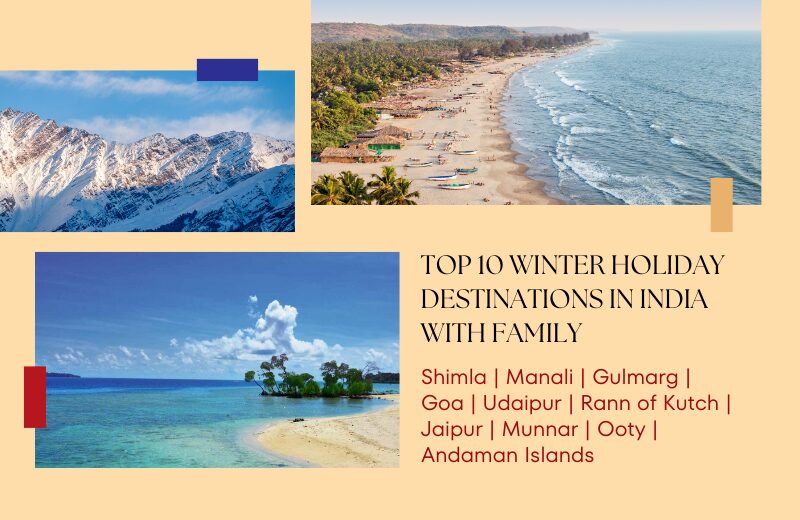
Winter Holiday Destinations in India:
- Shimla
- Manali
- Gulmarg
- Goa
- Udaipur
- Rann of Kutch
- Jaipur
- Munnar
- Ooty
- Andaman Islands
!
!
Shimla
Shimla is a hill station favored by families for visits. You can stroll along Mall Road. Enjoy hot tea at quaint cafes. The toy train journey is especially enjoyable for children. In December, there is some snowfall making the entire town appear magical. Numerous families choose Shimla due to its safety and ease of exploration. Everyone enjoys walking about and admiring the mountains.
Manali
During winter Manali is blanketed with snow throughout. Children enjoy entertaining themselves in Solang Valley by building snowmen and attempting to ski. The mountains appear stunning when they are blanketed in snow. Even adults appreciate the atmosphere here. A few days are sufficient to have an enjoyable experience since the location is so beautiful.
Gulmarg
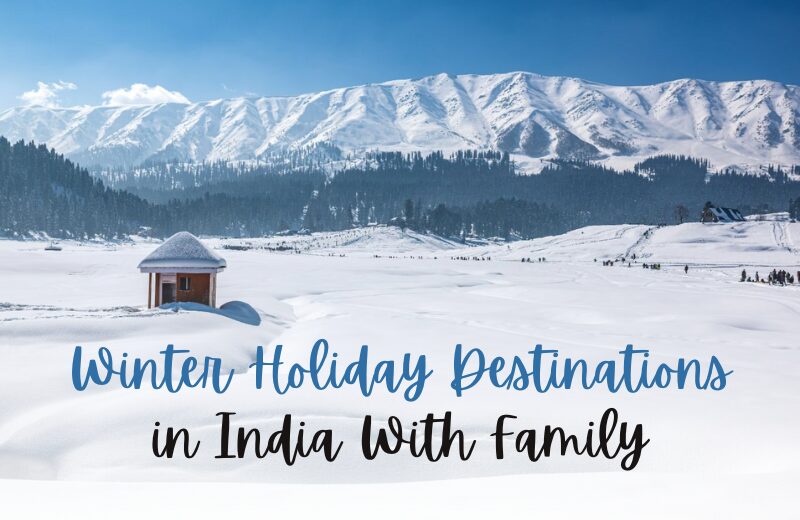
Gulmarg is well-known for its snowfall and best Winter Holiday Destinations. The cable car journey elevates you deep, into the mountain peaks. Around is covered in white creating a stunning sight. Families appreciate the serene atmosphere here. You can either enjoy playing in the snow. Simply admire the scenery. It becomes quite chilly. The breathtaking views make the visit worthwhile.
Goa
Goa is ideal if your family prefers weather during winter. The shores are tidy and not overly busy. Kids can enjoy beach sports. Explore water activities. At night you can enjoy music and savor meals. Parents feel at ease since Goa is secure and offers a variety of activities.
Udaipur
Udaipur features lakes, palaces and stunning sunsets. The best season to visit is winter as the climate remains pleasant and cool. Families take pleasure in boat trips, across the lake. Touring historic palaces. After dark the city lights shimmer on the water resembling a piece of art. It is a tranquil spot where you can relax and spend quality time together at a pace.
Rann of Kutch
The Rann of Kutch is unique in winter due to an event known as Rann Utsav. The White Desert appears luminous by day. Glows under the night sky. Families camp in tents. Enjoy dance performances. They also observe artisans crafting items. Children delight in running across the seemingly endless desert expanse.
Jaipur
Jaipur is a city filled with ancient forts, grand palaces and bustling bazaars. The winter season offers weather for strolling as it isn’t excessively warm. Families have the opportunity to tour Amber Fort and discover the history of royalty. Additionally, visitors can purchase garments and sample traditional cuisine. Children enjoy exploring the forts as if they are part of a fairy tale.
Munnar
Munnar features tea plantations and hills shrouded in mist. Families take jeep excursions. Explore tea museums. The early morning haze gives the scenery an appearance. The atmosphere is crisp and pure. It is a spot where individuals can unwind and appreciate nature collectively.
Ooty
Ooty is a hill station lacking extravagance. The highlight is the toy train journey, which passes amidst forests and hills. Families take pleasure in boating on the lake. Exploring the flower gardens. The chilly climate keeps everyone refreshed. It’s a spot to relax without hurrying around.
Andaman Islands
The Andaman Islands feature crystal-blue waters and gentle sandy shores. The ideal season is winter since the ocean remains tranquil. Families enjoy boat trips. Observe fish via glass-bottom boats. You can stroll along the shoreline. Gather shells. It is a peaceful spot where everyone can unwind collectively.
!
!
Winter Holiday Destinations
Planning a family trip takes a lot of time. Emperor Traveline can help make it easy. They will book your hotels, arrange transport, and plan everything. You just tell them when you want to travel and what you like. They will create a nice winter holiday for your whole family
FAQ’s
- Which destinations in India are suitable for family visits, during winter?
For snowfall, head to Shimla, Manali, or Gulmarg. For a climate, choose Goa, Andaman, Jaipur or Udaipur.
- Which is the best tourist place in India?
Gulmarg stands out as a destination for snow during winter. If you’re seeking beaches in December, Goa is the ideal pick.
A Brief Guide to the Tian Tan Buddha or Big Buddha in Hong Kong
1. The Lantau Island, Hong Kong’s largest island, located at the mouth of the Pearl River, houses the “Tian Tan Buddha” or “Big Buddha”, the second biggest outdoor bronze seated Buddha.
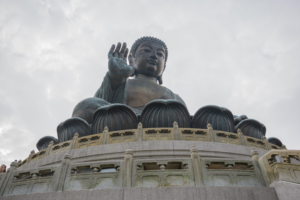 2. Situated next to the Po Lin Monastery, the Tian Tan Buddha, a unique attraction of Lantua, is separated by a 10-minute walk away from Ngong Ping, a highland in the western part of the island.
3. This imposing outdoor statue of the Buddha is seated sombrely on the top of Mount Muk Yue. It is positioned south, facing towards Beijing, the capital city of China.
4. The statue is split into two parts: the body which is 26.4m tall and measures in total 34m from the lotus throne and the base of the statue.
5. Totally 250 tonnes of bronze was used in casting the statue built over 12 years. The statue was modelled on the lines of the Siddhartha attaining enlightenment sitting under the Bodhi tree.
6. The “imparting fearlessness” mudra of the Buddha’s right hand represents compassion to relieve man of all his sufferings; the “fulfilling wishes” mudra of the left hand onto his lap expresses the vow to bestow happiness and blessings upon one and all.
7. There is a pedestal inside which is a three-storey exhibition hall displaying numerous precious religious artefacts including relics of Buddha.
8. Visitors need to climb up 286 steps to access the three-storey pedestal, and enjoy a panoramic view of South China Sea and Lantau.
9. Take a few steps into the area of the statue to catch a glimpse of the six smaller bronze statues called “The Offering of the Six Devas” enwreathing the Buddha.
10. It bears the posture of flowers, lamp, incense, fruit, ointment, music and fruits offered to the Buddha, symbolizing the Six Perfections of morality, generosity, zeal, patience, patience and wisdom, all of which form the core of enlightenment.
11. If the magnificence of the Big Buddha under the bright blue skies is a visual treat as well spiritual retreat, the cable car ride that begins close of day on the 1st and 15th day of the lunar calendar offers a stunning view of the illuminated Big Buddha.
Quick Facts on the Gandhi Mandapam in Kanyakumari
The Gandhi Mandapam in Kanyakumari was constructed in 1956. The “father of the nation” Mahatma Gandhi’s ashes were kept here before they were dissolved in the sea. It boasts distinct architectural details to honour the life of the timeless Ahimsa (non-violence) champion. Incidentally, Gandhi had visited Kanyakumari in 1925 and 1937.
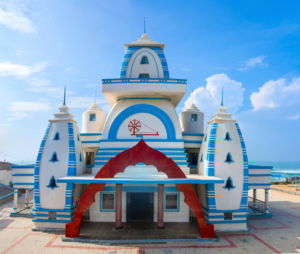
Shortly after India became a free nation, the great Mahatma was tragically assassinated by a Hindu fanatic in 1948; his remains were cremated and dissolved in various parts of India as part of the Hindu rituals. Kanyakumari became one of the sites where his ashes were removed on February 12, 1948, and a mandapam (memorial), a pillared structure open for public darshan (ritual), was fittingly raised on the site where his ashes had been laid to rest near to the Kumari Amman Temple.
The structure that was based on the Orissa style of architecture was built to precision to honour the great Indian leader. The central shape stands tall exactly at 79 feet, which was Gandhi’s age at the time of demise. Perhaps the most striking feature is the opening on the roof of the building designed in such a way it allows the sun lit rays to come through it on October 2nd, the birth anniversary of Gandhi, every year, and fall exactly on the spot where his urn was kept.
The maintenance of the museum was handed over to the Public Works Department of Government of TamilNadu in the year 1978. It goes without saying that while all Mandapams or memorials across the country serve the purpose of honouring Gandhi’s life and work, this is the only Mandapam that has harnessed the sun to honour the great soul!
All About the Masjid Kristal or Crystal Mosque at Terengganu in Malaysia
From the absorbing and awe–inspiring magnificence of the San Agustin Church at Intramuros in Manila, let us take a peek into the Islamic cultural heritage of Malaysia with the Crystal Mosque at Terengganu in Malaysia, which is no short of architectural beauty and grandeur.
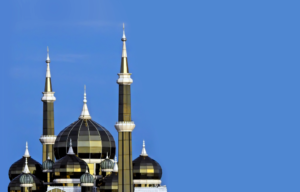 The ‘Masjid Kristal’ or Crystal Mosque in Bahasa Malaysia was open to performing prayers in 2008. Its construction began in 2006 and was officially inaugurated in 2008. Kuala Terengganu is no less than an intriguing place to be with several attractions including the popular Islamic Heritage Park that was opened around the same time. Located near the Islamic Heritage Park is the Crystal Mosque that follows a distinct flavour of Muslim art and architecture. The importance of the mosque, which has four traditionally–designed minarets, to the city is placed higher than to the religion of Islam itself.
Kuala Terengganu, like many towns and cities in Malaysia, was a charming and quaint fishing village. But the ‘eureka’ moment is when oil was discovered nearby, and a model town was built around it. The Crystal Mosque, glittery, splashy and modern with a dash of tradition, now, embodies the spiritual and traditional values of the region.
Architectural Specifications
Though you can find some actual crystal embedded within the structure of the mosque, the clear material that sticks out is glass. If you want to experience the full effect of its crystalline exteriors, it is recommended to visit the magical place in the moonlight, when it’s illuminated and almost seems surreal as a dream!
In addition, the Masjid Kristal, which can put up nearly 1500 people at one time, though more can be accommodated outside it during Ramdhan and Bakrid, is designed using steel structure in combination with the crystal and glass works.
How to get there?
You can reach Kuala Terengganu either by car or bus, but the easiest and fastest way out there is to take a flight through Kuala Lumpur, either on Malaysia Airlines or AirAsia. The Crystal Mosque, as you can view from anywhere even from a long distance, is easily reached by taxi, depending upon where you’re put up with, how inclement the weather is and how much time is left to travel.
The recommended time to visit the mosque and, in fact, the best time to tour around Malaysia or any Islamic country, you can think of, is during the blessed month of Ramadhan, the perfect time to turbo–charge yourself spiritually or treat yourself to the exotic local foods and drinks after breaking the fast. Do refer to an Islamic calendar to find out when Ramadhan falls and do your planning accordingly.
Why is Konya One Of the Most Culturally Rich Centres of Turkey? – Part 2
The city of Konya boasts of mesmerising architectural beauty and cultural sophistication. Let’s now travel towards Sille, which is located 8km north of the city of Konya. It houses the famous Byzantine Aya Eleni church and many rock chapels with breathtaking frescoes. We all grew up reading the witty tales of the legendary oriental ironist Nasreddin Hodja; but how of many of us know that he hails from Akşehir, located to the northwest of Konya? And interestingly, there is a mausoleum of the 13th-century humorist here. Other monuments that demand attention include the Altınkale Mescidi and the Ulu Mosque of the 13th century. Another mausoleum, the Sahip Ata Mausoleum has been transformed into a museum.
 Enroute to Beyşehir, give yourself a break at Eflatun Pınar at the side of the lake to witness the out–of–the–ordinary Hittite monumental fountain. There are many Seljuk buildings dotted around the gorgeous Beysehir located on the shores of Lake Beysehir, the third largest lake in Turkey. The lake’s south-western region is a national park, and one of the main wetlands of the country. You can see several prominent monuments across Lake Beysehir: the Kubad-Abad Summer Palace and the Eşrefoğlu Mosque. There is another palace belonging to the medieval era on Kızkalesi Island just on the opposite side of the Kubad-Abad Palace. Visitors get to relax and have some fun on the Hacı Akif Island. Çatalhöyük, some 45km south of the city, drew the earliest settlers to it from the Neolithic era, revealing details of the dawn of the early settlement of humans with fine and distinct examples of the oldest landscape paintings and domestic architecture forms, besides sacred artefacts of the cult of mother–goddess.
Next, let us take a trip to Karapınar, which is separated by 94 km south–east of Konya, having a number of crater lakes. The popular Mike Crater Lake, or simply “Make” near Karapınar, is a lake inside a volcano’s crater. There is another lake, Aci crater lake (Acigölü), about 3kms north–west side of Mike, which has a few exotic birds. Ereğl, one of Konya’s biggest counties, is flanked by yellow cherry trees.
If you have some time still left, visit the Ereğli Archaeological Museum displaying several Byzantine, Seljuk and Hittite monarch artefacts. The Ivriz Cultural Landscape, a UNESCO World Heritage Centre at İvriz, features a small altar and two huge rock reliefs depicting a king and plentiful crops, all dating to the Neo–Hittite era. There is also a monastery that dates back to the Middle Byzantine Period, natural springs and two caves.
Why is Konya One Of The Culturally Rich Centres of Turkey? – Part 1
This week we will see Turkey’s oldest and culturally rich cities – Konya, known in the Roman times as Iconium. The city of Konya served as the capital city of the Seljuk Turks between the 12th and 13th centuries and emerged as the cultural destination of the country.
The period between the 12th and 13th centuries saw tremendous political, religious and political growth thanks to the Islamic mystic Maulana Jalaluddin Rumi, the founder of a Sufi order known popularly as the ‘Whirling Dervishes’ in the West or ‘Mevlevi’ Order in the East. One of the most outstanding architectural buildings is the remarkably green–mausoleum that of Rumi. Also part of the mausoleum is an area that was once the dervish seminary which now is a museum containing manuscripts of Mawlana’s work and several artefacts of the teachings of the Mevlevi order.
There is an annual ceremony or ‘Urs’ held here, during the month of December, to commemorate Maulana Rumi and the Mevlevi order where mystics of the order, clad in a white robe, whirl around the hall in a trance–like state or ‘Sema’ to the traditional tune of the Sufi musicians, symbolizing their infinite love for the creator. The Sema is now a huge spectacle in Konya, attracting thousands of tourists every year.
The Alaeddin Mosque (also spelt as ‘Alaettin’) is the biggest and oldest mosque in Konya, built by the great Seljuk ruler Sultan Alaeddin Keykubat in 1221, atop the Alaettin hills. You will find the remnants of the Seljuk Imperial Palace on one side of the Alaeddin Mosque. There is also a museum, the Karatay Madrasah, which exhibits the strikingly bold Seljuk ceramics. The İnce Minareli Madrasah, constructed in 1264, found on the other end of the mosque, is visited for its eye–dazzling ornate Seljuk portal. Take a few steps on around the mosque to find the Sahip Ata Complex and the Sırçalı Madrasah. If archaeology fascinates you, then Konya’s Archaeological Museum is a must see. At the Koyunoğlu Museum, you can find an assortment of collection from old kilim rugs to natural history. Inside the museum complex, the İzzettin Koyunoğlu house that has been restored represents the stylish and opulent way of life of the Konya family of the bygone era.
There is more to come on the medieval city of Konya in the concluding part of the blog.
30 Best Travel Podcasts every time you travel – Part 2
Did you find the first series of the blog on Best Travel Podcasts exciting? We hope you would have tried at least one of the 10 Podcasts listed on the blog. Let’s explore another 10 podcasts in this blog that would titillate your senses and make you crave for more.
 This popular audio travel podcast started by Gary Bembridge, a seasoned traveller for 25 years, in 2005 and throws light on travel destinations around the globe, sprinkled with tips and advice based on his visits.
 Whether you’re heading out to explore new frontiers or struggling to find your place in the world, this podcast, started by Nathaniel Boyle, is a weekly show on the ins and outs of travel.
 Looking to decide where to travel next? The podcast lists interview with a traveller who has travelled to the place recently or destination expert.
 If you are an American looking to experience affordable, fun and culturally broadening trips anywhere in Europe, then this podcast for you.
 Started by Comedian and TV host Mike Siegel, the podcast brings you some of the best and worst travel experiences in the form of a different guest sharing travel tales from lands far away.
15.Indie Travel Podcast
 A fortnightly audio show that offers travel tips for independent travellers plus a global community of indie travellers all contributing amazing stories to the podcast.
 Travels in Music that dabbles with travel musicians telling stories on music from around the world; the podcast does its bit to turn the planet into a beautifully musical one.
13.This Week In Travel Podcast
 A Semi-Weekly Podcast joined by traveloggers Gary Arndt, Jen Leo and Chris Christensen

Started in 2014, this podcast was the finalist for “Best Travel Podcast” in 2015 and “People’s Choice Podcast Awards 2016”. The podcast provides practical tips and hacks that make international travel accessible to every traveller.
 An up and coming media outlet with global reach, imparting a unique local flavour. You need to become a member of the website to contribute reviews, news, culinary interview, travel experiences and tips for travellers.
The above podcasts are unique in one way or the other. They are almost guaranteed to make one an agile and intelligent traveller. We will follow the list up with the concluding post of the blog series.
30 Best Travel Podcasts every time you travel – Part 1
This year, podcasts turned out to be sharper, wittier and funnier, and even more niche-based. The social media team of Emperor Travels brings you 30 Best Travel Podcasts for the frequent traveller. Though we haven’t ranked the podcast, every podcast is unique in itself. We believe this 3-part blog series will titillate your senses when you are on the move.
‘
A Love Story’ is scripted and narrated by Michelle Parise, a CBC producer since two decades. The podcast comes as a solace for people trying to cope with loneliness, despair, heartbreak, lust to eventually finding the courage to face the adversities of life.
 Started by Bill Simmons, the podcast features unbroken, long-form interview of celebrities and athletes that scarcely find place in the mainstream media.
 Every Little Thing is a podcast created by Gimlet Media, an award-winning narrative podcasting company that helps people understand each other well.
27. This Is Actually Happening
 A bi-weekly podcast that helps one discover the inner chaotic experience of the human mind and find out what actually happens when things change.
26.IVFML

Here is an interesting podcast that takes a frank and humorous route to discussing parenthood and the hilarity and humiliations of miscarriage, infertility and IVF, as comedy writer Simon Ganz and health reporter Anna Almendrala share their experiences.
25.DTR

This podcast is a collection of shows from profile pictures, dating someone out of your network, to opening lines. Every episode accounts for a hilariously weird aspect of dating in an Internet fad world.
24.Dirty John
 A unique podcast comprising a network of storytellers that brings you wholesome entertainment and knowledge.
23. Pod Save America

A no-nonsense podcast on politics, hosted by Jon Favreau, Dan Pfeiffer, Jon Lovett and Tommy Vietor, that breaks down the week’s news and helps people dope out what matters and how to fix things.
22. Science Vs
 The podcast is a musing on trends, fads and the blinkered mob to ascertain what the fact is and what isn’t and what’s somewhere lurking in between.
21.Maed in India
 India’s first indie music podcast. Get the hottest and latest music from India and abroad, plus exclusive interviews and acoustic sessions of some of the best independent musicians in the country.
We won’t stop with this. We have more podcast collection for you. But that’s for another day. Until then, why don’t you take some time to download and listen to the podcasts on your next trip?
All about the Tipu Sultan palace in Bengaluru
There is a slice of history embedded in the IT capital and electronic city of South India, Bengaluru, which will go down in history as the glorious era of Karnataka history: the Mysore Rule led by Hyder Ali and his son Tipu Sultan. The Tipu Sultan Palace in Bengaluru is housed near the bustling City Market at the junction of Krishna Rajendra and Albert Victor Road. The palace lies in the precincts of the fort.
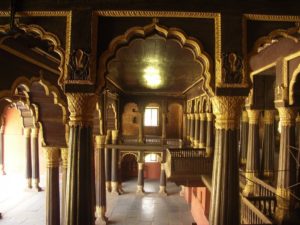 The Tipu Sultan palace in Bengaluru was the summer retreat of the great Mysuru Ruler, who fondly termed it the “Rash-e-Jannat”, or “Envy of Haven” or “Abode of Happiness”. One can get to see this engraved on a window screen. Splendid gardens all along the path, leading to the palace, along with sparkling fountains and lovely flower beds, will welcome you.
The place speaks volume about Tipu’s valiant attempt to protect Karnataka from British imperialism. That is why the Tipu Sultan palace should be tagged along the places to visit in Bengaluru. The place was opened to public view in 2005.
In 1537, Kempe Gowda, founder of Bengaluru, raised the fort. The extension was later carried out by Tipu Sultan. It is said that Hyder Ali put several British army officers including David Braid behind bars. The construction of the palace, which was started by Hyder Ali in 1781, was completed by Tipu in 1791. The place later came to be known as “Tipu’s Palace”.
The entire palace, styled on the Indo-Islamic art and architecture, is constructed of teak wood, stone, mortar and plaster. It is raised on a stone plinth. A striking feature is the intricately carved pillars that support the mammoth wooden beams throughout the palace. A congregation of wooden pillars, which rests on the stone base, support the entire structure. The pillars are converged with brackets and cusped arches adorned with stunning carving accentuated in multi-colours. Every pillar’s base has the carvings designed as if they come out of flowers. The ceilings and the walls boasts of madder-red surfaces decorated with floral motifs for an elegant look. Four staircases from the ground floor lead you to the first floor. There is a large hall on the first floor having four rooms, one at each corner. Known as the Zenana quarters, only the ladies of royal households had access to it. You can see two projecting balconies, one located on the east, another on the west side. It is believed that Durbars were held by the Sultan in the hall to run the administration matters of the state with the state officials in the balcony area, watching the proceedings.
The British later used the palace as their secretariat following the death of Tipu Sultan. The palace-turned museum showcases some of the artefacts of the ruler including the portraits of places and places of the bygone era, done by modern-day artists, and represents the grand lifestyle of the royals. The Sultan’s crown and his clothes are exhibited in silver and gold pedestals. Among other prized possessions, silver vessels offered to Hyder Ali by a general are also on display.
There is a splendid and a well-preserved temple of Lord Ganesha, dating back to the1790s, close to the Tipu Sultan Palace in the fort enclosure, which stands as an embodiment of Tipu’s secular values and inclusiveness. The fort area also houses an art gallery that displays several paintings, pictures, fine carvings and photos of the Mysuru Sultanate era. The Tipu Sultan Palace, currently managed by the Archaeological Survey of India, not only draws tourists the year round but also remains a haven for archaeologists and historians. Carrying eatables or camera inside the palace is prohibited.