How has COVID-19 changed religious travel and pilgrimages? – Part 2
Prior to the deadliest pandemic since the new millennium viz. the COVID-19, religious and pilgrimage travel was business big time predicted only to get bigger and better by travel industry pundits. But a storm of change hurled things off the root, and proved all industry prophecies wrong. Just before the pandemic outbreak, an estimated 600 million religious and spiritual voyages were recorded, with 40 per cent of it taking place in Europe and over half of it in different regions of Asia, whilst the annual pilgrimage to Karbala in Iraq, one of the most sacred sites for Muslims after Mecca and Medina and Jerusalem, pulled in over 25 million pilgrims.
Saudi Arabia was not without hope for the annual Hajj this year. The Hajj and Umrah pilgrimages contribute a staggering $12 billion to the Saudi economy under normal circumstances, and this is equal to 20 per cent of the country’s non-oil GDP and 7 per cent of the kingdom’s overall GDP. It is expected that the Hajj and Umrah revenue generated will hit $150bn by 2022. It started on a positive note by enhancing the travel experience for both pilgrims as well as international tourists by pumping money into transport and luxury hotels. In 2019, 1.8 million pilgrims from around the world completed the annual Hajj, whilst tens of millions arrived for the Umrah.
India, the land of spirituality, home to the greatest religions of the world, where people of diverse religions, communities and race have thrived with a great sense of oneness, pride and unity, had all its temples, churches and mosques closed indefinitely. It should be noted that the famous annual Amarnath Yatra that attracts thousands of Hindu devotees, scheduled to begin on June 23 and end up on August 3, on the day of Shravan Purnima had to be cancelled in an effort to curb the spread of COVID-19 in the region.
The health concerns everywhere in the world, as seen above, clearly outweigh the prospects of travelling to pilgrimage sites in the immediate future.
How has COVID-19 changed religious travel and pilgrimages? – Part 1
The spiralling effects of COVID-19 is gathering more moss as religious travel and annual pilgrimages to the holy sites of the country is severely hit with uncertainty over when it will jump back. Though the Central Government had relaxed restrictions following several months of pandemic outbreak since March early this year, the prevailing fear-stricken environment can only push things further back until the start of the next year, as most travel industry experts put it.
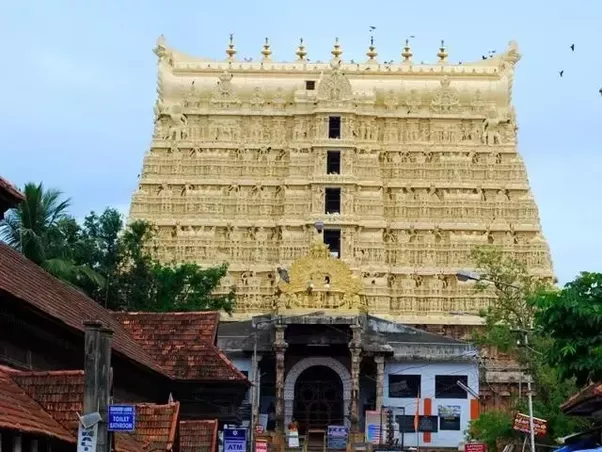
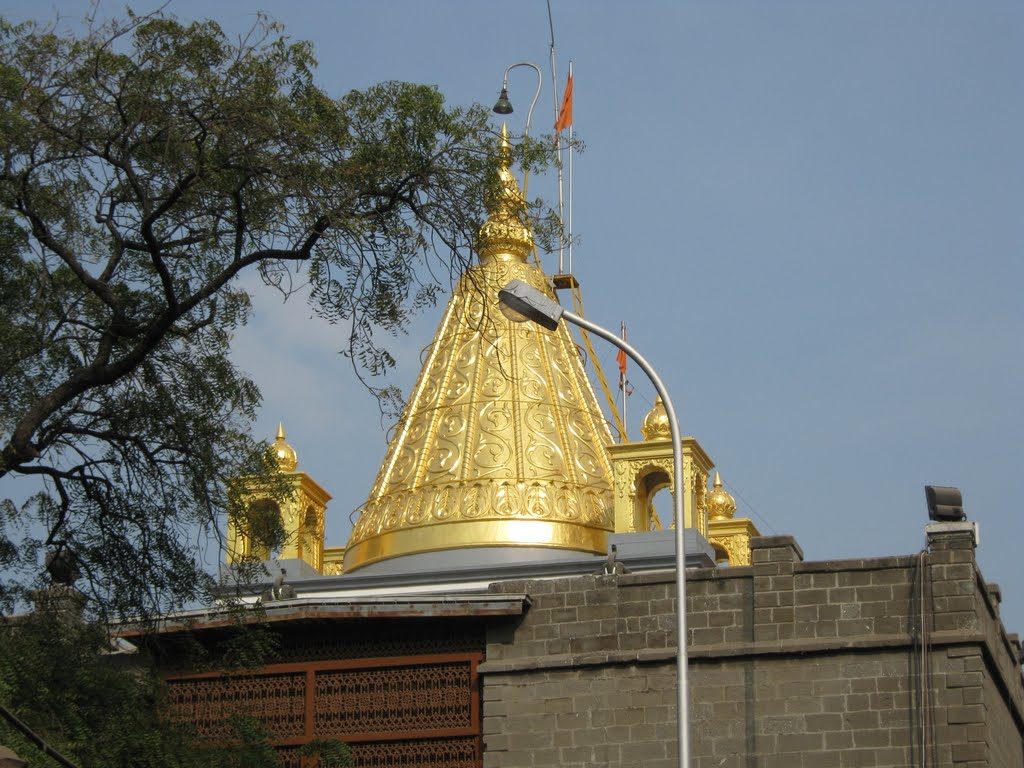
Generally mass gatherings, as we all know, in religious sites is the reason attributed to the spread of infection, and this in turn has led to almost zero travel and hotels bookings even after the relaxation of lockdown restrictions in many parts of India. COVID cases in Amristar, and closure of the Shirdi, Vaishno Devi and Tirupati temples made only matters worse. Friday prayers were called off at the Bada Imambadi in Lucknow. Even the gods have remained inaccessible for most part of the time during the lockdown. Hotel bookings and room night in several pilgrimage sites have seen an acute fall in the bookings with travellers putting off travel plans indefinitely, said hotels, OTAs and tour operators. Though the decision to close down pilgrimage sites is viewed as a welcome decision, travel and tour operators may know that they cannot be closed indefinitely. Just for the numbers, there was an aggregate decline of 80 percent in hotel bookings and room nights at pilgrimage sites between the months of January and February this year.
PayTM has stated that the company has witnessed an unprecedented 30 per cent drop in travellers touring the top ten pilgrimage sites in the country. All said and done pilgrimages to the holy sites of the world will see a fundamental change in how it is being conducted in the near future.