
How to plan a trip during COVID-19 isolation when the second wave is on?
With the second wave of the COVID-19 pandemic literally on, with traces of the UK and South Africa COVID variants in India and several parts of the world, what does it take to plan a tour during isolation. With many countries still under imposed lockdowns and several travel restrictions, there is greater uncertainty over when travel will resume or return to normalcy. Here is how you plan a trip while you’re in isolation.
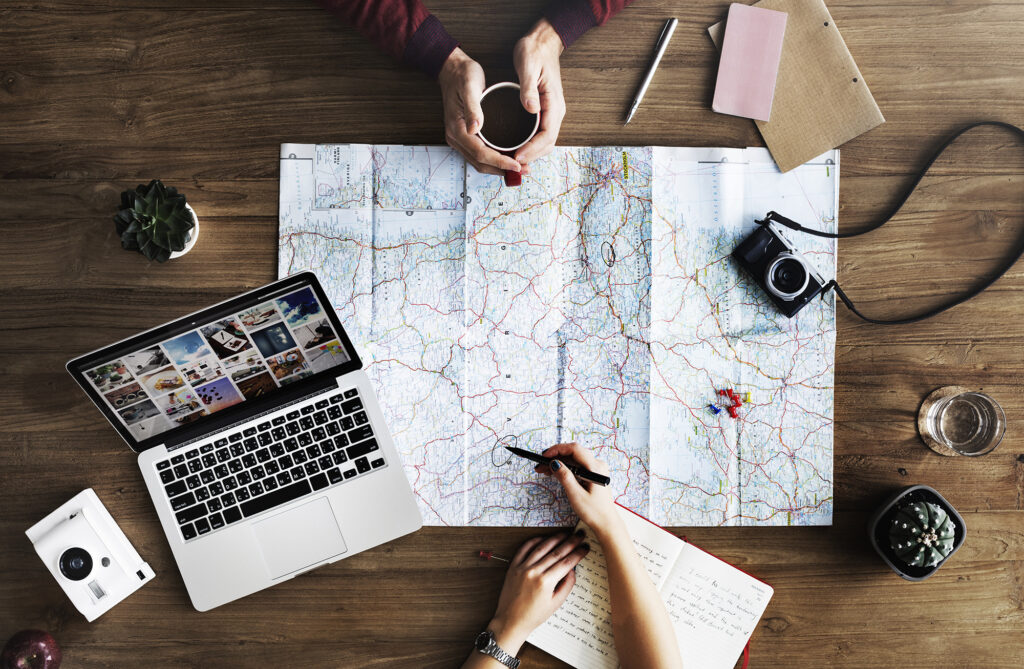
The best resource online to explore some of the most exotic travel destinations of the world is Pinterest. You can check travel categories and different pins, save and use them for future references. This will also give you a visual idea of how to plan things once when travel normalizes.
Decide on the type of vacation you want to have, whether that’s a family leisure trip, adventure tour, spiritual or pilgrimage tour, educational tour, mini honeymoon trip or simply a weekend getaway or escape. Think about the feelings that you want to experience right now to plan your trip in the best way possible. May be you want to go on an elephant ride in Kerala or watch the gorgeous sight of sunset at Kanyakumari in Tamilnadu, first get the planning right.
A lot of museums all over the world have closed down due to pandemic, with many of them offering virtual tours online. Google virtual museums allow you access to over 2,500 museums and galleries on Google Arts & Culture, from the Guggenheim Museum in New York, the Musée d’Orsay in Paris to the British Museum in the UK.
Do you have tons of travel videos and photos of your past tours waiting to be shared? All you need to do is to put up a simple blog and stating posting them and sharing your experience for others to hear and distribute online.
Are you travelling this summer? Here are a few questions that’ll help you decide.
The year 2020 proved to be an unforgettable one for reasons oft to be forgotten, especially when it comes to travel. Almost every business was punched hard in the face, but the travel sector was the most severely affected sector following lockdowns, quarantine measures, and social distancing. Research studies indicated instances of development of depression, distress and anxiety at the beginning of the Novel Coronavirus pandemic, especially among adults. Travelling in the immediate future became a pipe dream and those who travel frequently had to change plans and spend time indoors. Come 2021 summer, people still aspire to travel and thus look for innovative ways. Are you travelling this summer? Here are some questions that will help you decide if you’re ready to go out.
- Consider your risk factors
– What is the rate at which COVID-19 is spreading in your community?
– Is there high incidence of COVID in the places you’ve planned to visit?
– Are you at increased risk of developing critical health issues should you get COVID-19? - What is your comfort level?
– What are the safety protocols and preventive measures in place at your travel destination?
– What activities do you intend to do in the place you’re planning to visit?
– Are you required to isolate yourself, as part of the safety protocol, when you get to your destination?
– Will hotels, restaurants, shops, petrol bunks or gas stations and public facilities be open along your travel route? If not, what is your back-up plan?
– What if you get sick? How and where can you quarantine yourself? - Did you check if you have any COVID symptoms before you plan for the trip?
- What is your pandemic travel packing list?
The second wave of COVID-19 is on; ask yourself the above-mentioned questions for a safe and happy travel experience amidst the complexities of COVID-19,”
What will the future of Business Travel look alike?
This isn’t the first time business travel is discussed as part of our ongoing discussion on travel post-pandemic situation. The outbreak of COVID-19 all over the world shattered the dreams of business employees travelling from one part of the globe to another. Remote employees were connected through online communication and messaging tools, most part of the time, and accessibility to files and documents was made possible through secure enterprise tools. The question of personalization is far-fetched here. Business and corporate travel hasn’t suffered as much as the period following COVID-19.
It is important for businesses and corporates to build a strong company culture through forging connections between employees. It should be a deliberate approach as part of the communication process. Business travel and personalized meets are great ways to building a sustainable employee culture. Are companies really prepared to invest in business travel as the need for conducting company-wide meetups to interact directly with clients and employees increases?
There is an another trend that is fast catching up with corporate employees: professionals, post-pandemic, will likely relocate to new places, as their jobs are no longer fixed to a physical location. This means more employees will be travelling to newer job destinations even though it may be temporary. All said and done travel managers should now incorporate safety precautions and travel protocol as part of the Duty of Care, simply to being responsible for their employee’s health, security, safety and well-being. Travel policy should be re-framed so as to understand the travel behaviour of the employees.
Now, there’s always the question of whether an employee wants to travel or not, either for sales meet or customer-acquisition or retention, considering the risk factors involved in travel post-pandemic situation, which the travel manager and concerned department head can address to diffuse fear and anxiety amongst employees.
Travel & Mental Health – Part 5
The discussion regarding travel and mental health will touch upon many facets, one of which are the associated stigmas related with metal health. Mental health disorders range from clinical anxiety, depression, personality disorders, PTSD (post-traumatic stress disorder), in addition to other forms. Mental disorders are not age specific and can occur at any time in one’s life, and if the symptoms are not diagnosed early, it can lead to serious health implications. If left untreated, mental health issues can cause severe impairment in everyday life, and even suicidal thoughts may surface later and dent future prospects.
Mental health associated stigma:
Individuals with mental health issues undergo stigma at various levels. The first category is the stigma at the social strata. They usually go through a lot of discrimination and prejudice within society that is mental health-related that they avoid taking treatment and discussing their issues. The second type is a self-perceived or inflicted stigma. This can get dangerous when a person internalizes shame and guilt associated with mental health. They blame themselves for events happening around them and the underlying effects under these undesirable circumstances. Both these types of stigma can have an adverse impact on an individual suffering from mental health disorder, affecting his or her diagnosis and treatment.
Can travel help improve mental health?
Travelling and going on a vacation is closely linked with leisure, a break from the drudgery of modern day life. Everyone takes an escape route through vacation every now and then; however, travel is not merely visiting places, but a unique experience that forges indelible memories. It can enrich our lives, and increase productivity in every department. Therefore, the link between travel and the overall well-being and mental health of an individual is well established.
There is mounting evidence to prove that travelling can bust stress, significantly raise happiness and satisfaction levels, and make you resilient. Cross-cultural interface and ability to absorb and integrate different traditions can prove beneficial to improving the emotional intelligence of an individual. Supposing if you’re confronting a new environment personal or professional you’ll be able to cope better with circumstances that at times may even spiral out of control, in worse cases.
Travel & Mental Health – Part 4
Mental Health – An overview
The stigma involving mental health is a pervasive phenomenon anywhere, but more so in India. Though there can be a number of reasons for the growing stigmas associated with mental health, something that we can’t but agree that there is limited understanding of mental health and often brushed inside the carpet as a condition requiring proper care and treatment. It is important to address mental health issues and seek medical assistance very early from getting worse or turning into mental trauma.
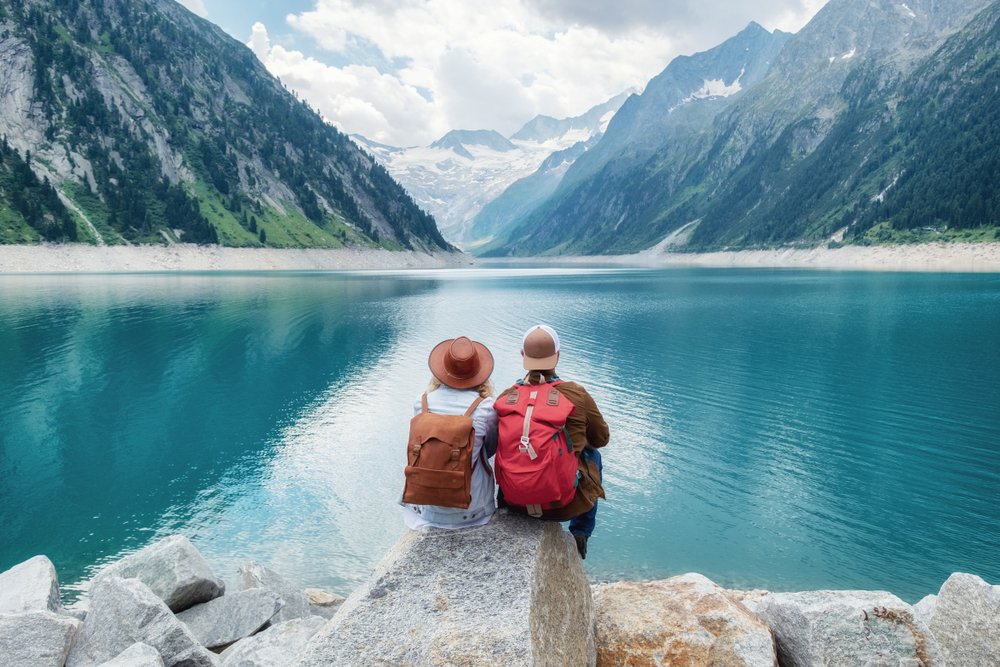
A study by the WHO (World Health Organization) has revealed, almost a global phenomenon, that 1 in 4 people will go through a mental health issue any given year. Furthermore, almost every individual at some point or the other will have to tackle mental health challenges or crisis. The recent pandemic not just consumed lives in millions, but also destroyed the hope of rebuilding their careers, thereby affecting the mental state of the general public. This also implies that mental health imbalance need to be always dealt with a clinically diagnosed condition. Nonetheless, every individual, whether they go through clinical disorder, deal with bouts of paranoia, suspicious fears, phobias, anxiety or depression. All of us undergo a lean path or rough phase life; we run through the motions, and, in essence, deal with mental health imbalances.
In India, if a reliable report study is anything to go by, nearly 6.5 per cent of the people go through some form of a mental order, from mild to severe, with no seemingly rural-urban divide. The dearth of mental health professionals and the general fear associated with the subject of mental health has led to more complications. Suicide rates are increasing; a large number of the population is yielding to the consequences of day-to-day mental pressures, in spite of the fact that it’s not a big deal to get treatment and lead productive lives.
Travel & Mental Health – Part 3
After having discussed in length the benefits of positive health and emotional well-being of travel in the previous blogs, it is evident that longer vacations are more beneficial than shorter activities. To conclude, let’s summarize the long-term benefits of taking vacations every now and then in this blog.
- Because physical health matters a lot in the emotional make-up of an individual, travel can be a measure of one’s physical grit and mental toughness when put to test during strenuous physical activities including swimming in the sea or scaling mountain peaks. Travel helps boost human energy levels, which, as a result, can improve the emotional behaviour as well.
- The most powerful entrepreneurs and leaders in the world are also active travellers as they take the time off their hectic schedule, and enjoy a vacation or two with their family or associates. This also breaks apart the age-old myth that happiness, not wealth, fame or power, is the foundation to building a highly satisfying and rewarding life. Often great achievers go through a lean patch in their lives, and travel can break negative cycles and a destructive mindset in order for them to stay motivated, engaged and productive.
- Integrating and absorbing other cultural traditions and practises can make one reimagine their mental and spiritual training acquired over the years as it opens up a new realm of thought. Embracing multi-cultural concepts and building an environment for the same at home or office has its own merits in terms of inclusiveness, productivity and happiness.
- With an improved brain neuroplasticity, travel can enhance one’s creativity level and improve emotional intelligence. This proves another point: the more you travel to unknown destinations, the more your brain will be receptive to newer ideas and innovative concepts.
- The fact that travel vacation can bring down one’s stress levels, and boost self-esteem and confidence is something that we have already dealt with in the previous blogs.
Travel safe as much as you want; the positive experience derived out of it would definitely make you a better individual for life!
Travel & Mental Health – Part 2
Now, what does research say on the link between happiness and travel?
A research conducted by 2011 examined the links between happiness and vacations. The study expounded that tourism may add to one’s happiness quotient in two ways: First, through anticipating what the trip would be like, through the trip itself, and then the ‘afterglow’ post-trip. Secondly, the research also cited that travel experience is directly linked to happiness in our day-to-day lives through “more indirect means” including recalling holiday experiences through memories.
Positive psychology, a branch of psychology, deals with the positive thoughts and emotions of an individual and how it can impact his/her lives. It explores how one can be happier and lead a rewarding and satisfying life. It further states that how we view happiness and how willingly we take decisions to improve happiness form the core of the subject of positive psychology. With this modelled as a framework, travel can be an antidote to alleviating mental pressure by building positive character and culture through travel experiences.
Another research conducted in the area of travel and wellness tried to link the correlation between long vacations and happiness. The research study revealed that participants were much happier, with an improved state of health and well-being, post-vacation as compared to pre-vacation experiences. More importantly, the research concluded that longer the vacation, the more positive the health and mental benefits were even after work resumption. This means a longer tour, let’s assume a 14-day tour, can prove more beneficial than a 9-day tour or less in terms of positive experience and emotional behaviour.
Whilst there aren’t much research studies on travel and mental health, we still find through available findings that it’s pretty evident that travel has the ability to impact an individual’s emotional make-up. However, what the research does fail to do is measure an individual’s well-being over a prolonged period of time post-vacation. More studies perhaps can conclude if travel experience has lasting impact on mental health, or if it’s merely an escape route.
Travel & Mental Health – Part 1
Travel & Tourism lost its way last year at the height of one of the worst pandemics of the first quarter of the 21st century, the COVID-19 or the Novel Coronavirus. It was also the time when reports after reports were published citing the impact of lockdown on the mental health of the people partly due to the complete ban on travel in almost every region of the world. Travel came to a screeching halt when lockdowns and quarantine measures ensured the general public stayed indoors and maintained social distancing most part of the time.
A study conducted by Harris Polls in 2020 predicted that 47 percent of respondents reported a negative impact of the virus on their mental health, with an increase in the mental anxiety and depression levels, as rightly predicted by the experts. Not just that, the study further expounded that the respondent’s outlook was changed dramatically, with about 73 percent saying that they no longer feel safe travelling by commercial flights, and 67 percent stating that they will play the waiting game until states reopen.
Consequently, after the lockdowns were relaxed in many countries of the world, people were craving to explore travel opportunities and connect with nature to come out of the mental closet. Not long ago, a long vacation far away might have been the apt foil for this existential crisis, but given the way COVID-19 is shaping (or rather re-shaping) itself, it seems like it is in no hurry to recede in the immediate future. This said the cravings for a deeper relationship and intimacy to travel long and hard have just got bigger!
It is expected that people, especially this year, will travel–locally and regionally (frequently) to visit long-missed friends and enjoy family get-togethers. This is a powerful antidote to the mental pressures and depression due to the long drawn gap created by the pandemic. Tour operators and travel agencies must tailor their tour package so as to design this experience and foster a much deeper connect with people’s travel aspirations.
How should children and senior citizens travel in 2021?
The COVID-19 pandemic that has been rocking the world since last year has made life miserable for senior citizens and kids as they are more vulnerable to the viral infection. With consecutive lockdowns in place, the elderly and children were generally advised to stay indoors and avoid travel even when the lockdowns were later relaxed to facilitate movement. Thanks to revised and improved travel safety guidelines that were being implemented to restore normalcy. Come 2021 when it comes to travelling with the senior citizens or children or both, there are a few standard safety guidelines that can spell safety and hygiene:
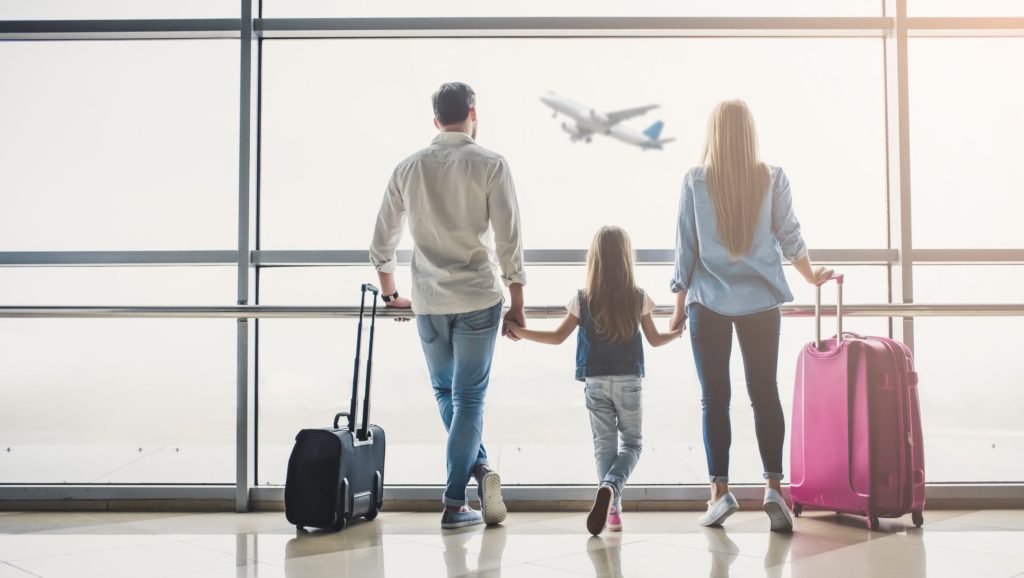
Traveling with kids
- Advise kids to carry disinfectant wipes and pocket sanitizers to clean and wipe themselves from the surfaces they come into contact with.
- Though vaccination programmes are in place, it is mandatory for kids to wear a mask and gloves during travel.
- Social distance must be followed at all levels, and kids should maintain a minimum distance of 6 feet from one another. Care must be taken not to travel closely with co-passengers as it can increase the transmission of COVID-19.
- Avoid travelling to crowded areas like malls, fairs or bazaars. Opt to travel to public places when the crowd is comparatively less.
Travelling with senior citizens
- Greater care must be taken to ensure the safety of senior citizens during travel as their immunity level is generally low. There are a lot of organic foods that help raise the immunity levels of the body.
- Ensure that senior citizens have active health and travel insurance with their age and medical requirements well covered in place.
- It is important to ensure that the elderly is equipped with the necessary medications and prescriptions pre-travel. It is recommended that senior citizens visit the doctor before travel, and follow extra precautions for a safe and memorable trip.
Adieu 2020. Welcome to the year of travel
My dear customers, staff, stakeholders and loved ones, the year 2020, needless to say, was a rather disastrous year. Who would have thought that COVID-19 or the Novel Coronavirus, as it termed, can spread its ugly tentacles so as to consume millions of lives and dent livelihoods and affect regular life? Businesses all over the word came to a screeching halt due to lockdown after lockdowns. Travel almost saw the end of the road as the general public, most part of the time, didn’t venture to come out even after lockdowns were relaxed for the fear of the pandemic spreading thick and fast.
Social distancing that was instrumental in mitigating the effects of the pandemic clinically killed food industry throughout the world, as hotels and restaurants remained closed during the lockdown of the first wave of the pandemic. Dining experience was a thing of the past, and no longer ceased to exist. The falling food industry also saw job losses in large numbers. Hyper local delivery platforms promoted takeaways and home delivery saw light at the end of the tunnel, though strict hygiene measures were followed to gain the confidence of consumers back, which hit a new low.
Travel, whether it is leisure, business or a mix of business and leisure, ‘bleisure’, was punched hard and knocked down many a time. Travel restrictions knew no bounds. Wearing masks was, mandatory in public places and became the new normal. Air travel remained shut and international borders were closed for the most part. In India, intra-or inter-state travel was restricted in the form of e-pass issued by the respective state governments. The Central government imposed certain travel restrictions that were relaxed in a phased manner. All said and done, 2020 would be a year, I, like many of you, would like to forget and travel ahead. I believe 2021 will be a promising year for travel and wish you all a happy and prosperous new year.
