
Leisure bookings & travelling for holidays fluctuate with COVID-19 cases on the rise
As we are approaching towards the fag end of the year, travel operators the world over are witnessing a mixed year with leisure bookings and holiday travel fluctuating with the COVID-19 cases on the rise in the US and most countries in Europe with the second wave on. Though India has had its share of COVID cases, it seems that it has fought back the pandemic well and played down the effects of pandemic. Travel bookings went up significantly in September over August in spite of the increase in the number of COVID-19 cases, indicating recovery phase in the tourism sector that has been paralysed by the extended lockdown. Overall, it registered a maximum recovery rate of 340 per cent and hit a low at 80 percent, according to a reliable report.
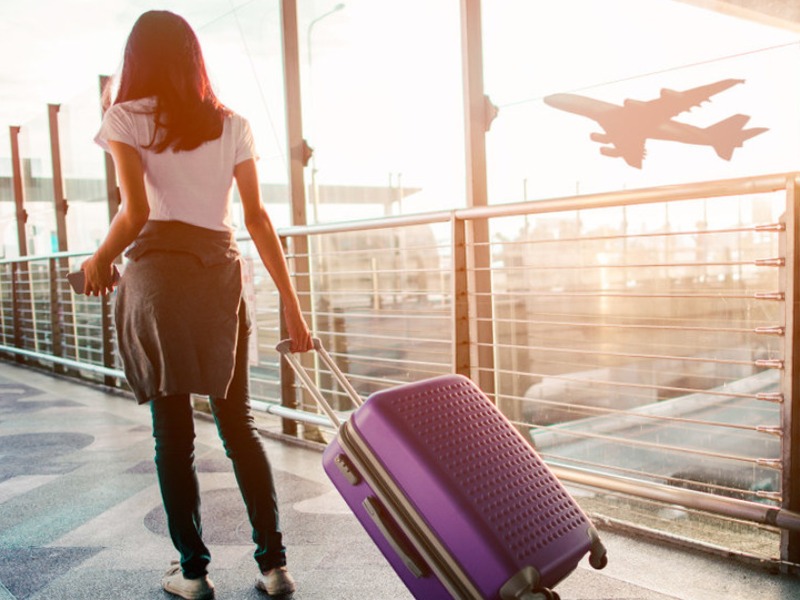
Travellers during this period mostly opted for villas, homestays, villas and other personalised accommodation models. According to another whitepaper released on October 1, domestic leisure picked up steam in India, and several states like Punjab, Karnataka and Rajasthan started attracting domestic leisure guests for the first time ever since the outbreak earlier this March. Hotels in the state of Goa too, which had seen an all-time low occupancy figures until August, improved their numbers, especially in the weekend leisure category, moving into the month of October
As people begin to gradually step out of their homes post relaxation of lockdown, there has been a steady rise in the number of booking and those who search for road trips to close-home destinations or short-term holidays. Similarly, there has been an increase in the travel bookings for home stays in seaside resorts or hills away from the hustle and bustle of the city. Business travel that literally saw zero-figures during the lockdown has also picked up in India during the month of October.
How to plan a family trip during Covid-19?
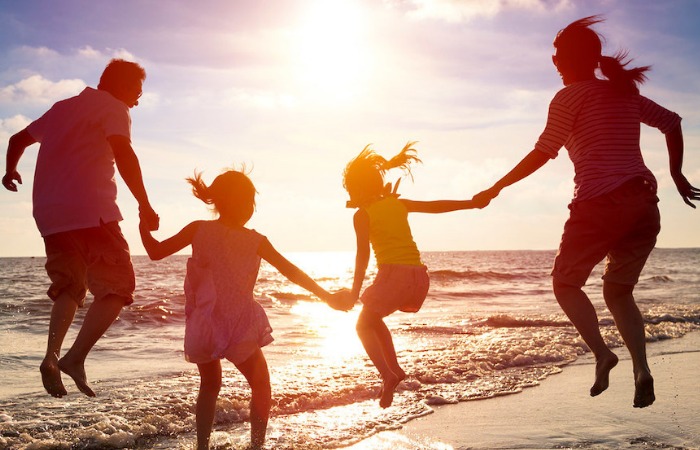
Planning a family trip during COVID-19 is not without risks. Experts advise against making family trips during the pandemic. However, when planning such trips, great care has to be taken, especially with kids and senior citizens usually with low immunity levels around, to avoid direct exposure to infection. Here is how one can plan a family trip safely and enjoy the happy moments in nine essential steps.
- Check with the local laws first if you need to travel within the country or the law of the land regarding COVID-19 if you wish to travel abroad. Avoid travelling overseas as much as possible as several European and Asian countries are facing a second wave of pandemic, and consequently forced lockdowns to prevent public movement.
- Talk to your doctor regarding your family’s health and determine risk factors if any. Elderly people should talk to specialists if they’re suffering from diabetes, hypertension or blood pressure. It is important to get a clearance letter from the doctor before travel to avoid health complications.
- It’s important to understand the health risk profiles of individual members in a family before travel, and it is always a recommended practise to share the details with the family in the case of an emergency for preparedness.
- Avoid travelling to COVID-19 hotspots to avoid maximum exposure of infection. It is recommended to talk to your travel agency and get the ground details of COVID-19 of a particular touring destination including staying in quarantine, lockdown restrictions (if any), and the general rules and regulations of pandemic relief programs that apply in the region.
- Avoid over-crowed hotels and restaurants; check for a remote hotel to avoid mixing with other teams or hotel guests. Use touchless operation wherever required including contactless check-in.
- It is safe to travel in a car or cab to cover short distances than to travel by train or take a flight. As flight bookings are marked by uncertain timeliness, it is pertinent to check the booking and cancellation policies to avoid disappointments and save on unnecessary costs.
- Don’t forget to carry COVID-19 essentials such as hand sanitizer, disinfecting wipes, face masks, a thermometer, gloves, hand soap and health insurance cards.
- Plan only for outdoor activities. This is because visiting public places (not all follow safety protocols) can put you at greater risk of infection.
- And finally, it is important to keep your kids completely safe during the travel by educating them on pandemic guidelines during the tour.
How to plan a safe honeymoon trip during COVID-19?
The big fat Indian wedding season is underway, and with the COVID-19 having done the damage already this year, we’re going to see an extended summer wedding season later next year. Indian weddings are all about fun, food and frolic, and you just can’t take travel out of it. Planned honeymoon trips are very much part of the nuptial process. So how should the newlywed plan a safe and memorable honeymoon even with COVID-19 doing the rounds? Read on…

Do your homework:
Before travelling to the place, it is important for the honeymooners to know the scale of COVID-19 and existing number of cases. A reliable travel operator may know the ground situation and advice for or against travelling to a particular destination. Also, public places including historical monuments, parks, zoos, museums, palaces, forts, mausoleums, etc have been locked up from public access for the most part during the pandemic. Work with a travel agent who can help you prepare the right travel itinerary of accessible locations to stay safe throughout the trip.
Open communication:
A safe travel for honeymooners during the pandemic may require an open communication with their travel agency. It is pertinent to ask the right questions everything from travel itinerary, booking, accommodation, insurance (if required) among others. Most restaurants and hotels post lockdown relaxation have come up with offers of up to 50 percent discount as incentives for travellers. Some even offer waiver on normal fees for cancellation or postponement. The key is right communication to get as many answers you will want.
Stay local:
Travel as locally as possible to avoid exposure to virus. Embrace the familiar and don’t take chances by travelling outside of the country until the COVID is finally over. This is probably the best piece of advice for honeymooners travelling during the pandemic marked by an uncertain timeline. This said go and stay outdoors where nature is at its purest. This is to avoid mixing with the crowd and increasing your chances of getting COVID infected.
Use technology to the maximum:
Use payment apps that facilitate contactless payments. Check for hotels and restaurants that encourage the same. Furthermore hotels adopting innovative technologies including robotic cleaning, contact tracing, sanitization, and health screening are preferable compared to those that don’t.
COVID-19 and what it means for the frequent traveller
If you’re a frequent traveller or have been one pre-COVID outbreak, the feeling of tied down to home for a fairly long period should have been an excruciating experience, to say the least. For a travel freak, travel is an expression of one’s freedom, creativity and a longing to explore the unknown and cohabitate with the known. The COVID-19 has cast a dark spell upon the possibilities of travelling normally mainly due to the uncertainties surrounding the crisis, for the thrill-seeker is not withered by the storm gathering or blowing his wit away. He scales peaks, beats the rain at its game, runs towards sunlight and encourages others to follow him. He doesn’t stick to the rules of the games, and often breaks away from how it is traditionally played. He may carry the burden of travel as light as a feather, which he feels he is already part of. So how did COVID-19 affect the frequent traveller? From temperature to luggage, challenges, far too many, were flung at him at will.
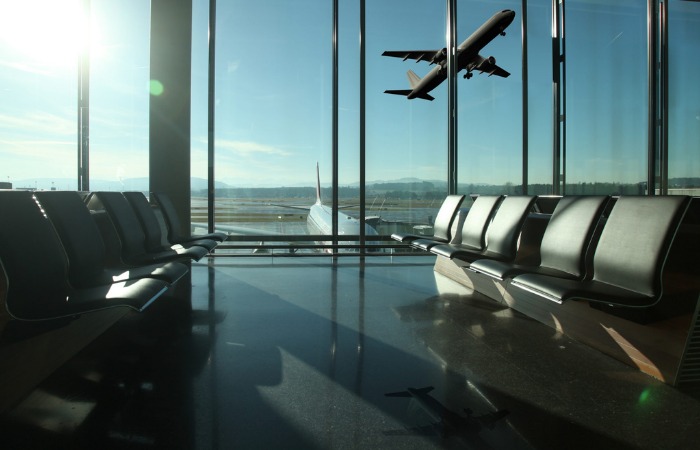
The rules of travel kept changing, fuelling the feelings of despair, the last thing he’d want is a total lockdown, which will prevent him from moving out of his home, a phenomenon rife in almost every part of the world where life existed. Flights were happy to remain in the hangars until the travel ban was revoked. The anxiety levels of the frequent traveller remain unchecked as the lover may have in the longing for his beloved.
Expectations of relaxing lockdowns kept growing with every passing day though there wasn’t any respite whatsoever. The race for the first COVID-19 vaccination in the world didn’t enthuse the die-hard traveller as nothing significant emerged out of the findings. Here we go, an imminent second wave of the pandemic shattering the hopes of the traveller whether you’re a soul searcher or the frequent weekender will only extend the wait until the COVID is over.
Why Travel can be good for you post-COVID-19 lockdown?
The COVID-19 crisis has unleashed a paralysis of sorts in all spheres of life. Businesses have shut down, either temporarily or permanently, with normal life coming to a standstill and uncertainty looming in at large. Of all the business sectors, the travel and tourism industry is the worst hit sector as the general public mostly stayed indoors, advised not to step out of their homes until necessary. With a second wave of the pandemic rocking several European and Asian countries, the travel and tourism sector has to wait until a successful vaccination programme is in place. This brings us to the question: what good can travel do to the mind and body after a rather long hiatus? Though the long-term advantages of travelling can be myriad, here is how you can benefit from travelling.
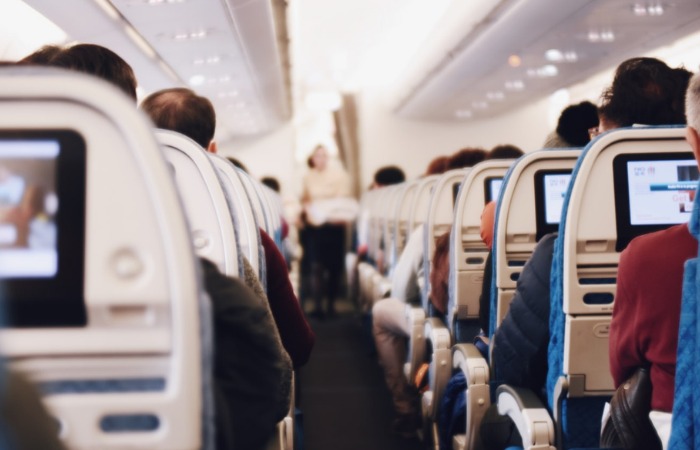
- Travel is a stress-buster. Needless to say, a bit of travel to your favourite destination will make you feel more relaxed and stay focussed on your goals and aspirations. People who don’t travel much feel the heat of life’s pressure and struggles. So get a life, travel to the known and the unknown, the familiar and the unfamiliar.
- Travel helps you to reinvent the wheel. Yes, it gives you fresh insights towards executing your most cherished goals. It can help you broaden your awareness and be open to new things. Learning different cultures through travel opens up a new realm of possibilities. Travel forces you to think independently and evaluate your own principles and values.
- Travel increases the happiness quotient, says a recent study. This basically is a result of travel killing boredom and idealness. Because travel is a shift away from the mundane and the monotonous, it essentially makes the traveller happy. The change of mood happens when the minds starts to appreciate the possibility of a new belief.
- If you want to toughen up your mental muscles and develop more adaptability and resilience in life, you need to travel…and a lot of it. Travel at times may not turn out as planned, and lot of adjustments have to be made and alternate plans charted out, especially in a new location, where finding resources can be can be next to impossible.
- Travel is a great means to enhance your cognitive abilities. For many, travel is a creative channel for responding to an entirely different situation. So, when have you planned to travel when the COVID is finally over?
How has COVID-19 changed religious travel and pilgrimages? – Part 2
Prior to the deadliest pandemic since the new millennium viz. the COVID-19, religious and pilgrimage travel was business big time predicted only to get bigger and better by travel industry pundits. But a storm of change hurled things off the root, and proved all industry prophecies wrong. Just before the pandemic outbreak, an estimated 600 million religious and spiritual voyages were recorded, with 40 per cent of it taking place in Europe and over half of it in different regions of Asia, whilst the annual pilgrimage to Karbala in Iraq, one of the most sacred sites for Muslims after Mecca and Medina and Jerusalem, pulled in over 25 million pilgrims.
Saudi Arabia was not without hope for the annual Hajj this year. The Hajj and Umrah pilgrimages contribute a staggering $12 billion to the Saudi economy under normal circumstances, and this is equal to 20 per cent of the country’s non-oil GDP and 7 per cent of the kingdom’s overall GDP. It is expected that the Hajj and Umrah revenue generated will hit $150bn by 2022. It started on a positive note by enhancing the travel experience for both pilgrims as well as international tourists by pumping money into transport and luxury hotels. In 2019, 1.8 million pilgrims from around the world completed the annual Hajj, whilst tens of millions arrived for the Umrah.
India, the land of spirituality, home to the greatest religions of the world, where people of diverse religions, communities and race have thrived with a great sense of oneness, pride and unity, had all its temples, churches and mosques closed indefinitely. It should be noted that the famous annual Amarnath Yatra that attracts thousands of Hindu devotees, scheduled to begin on June 23 and end up on August 3, on the day of Shravan Purnima had to be cancelled in an effort to curb the spread of COVID-19 in the region.
The health concerns everywhere in the world, as seen above, clearly outweigh the prospects of travelling to pilgrimage sites in the immediate future.
How has COVID-19 changed religious travel and pilgrimages? – Part 1
The spiralling effects of COVID-19 is gathering more moss as religious travel and annual pilgrimages to the holy sites of the country is severely hit with uncertainty over when it will jump back. Though the Central Government had relaxed restrictions following several months of pandemic outbreak since March early this year, the prevailing fear-stricken environment can only push things further back until the start of the next year, as most travel industry experts put it.
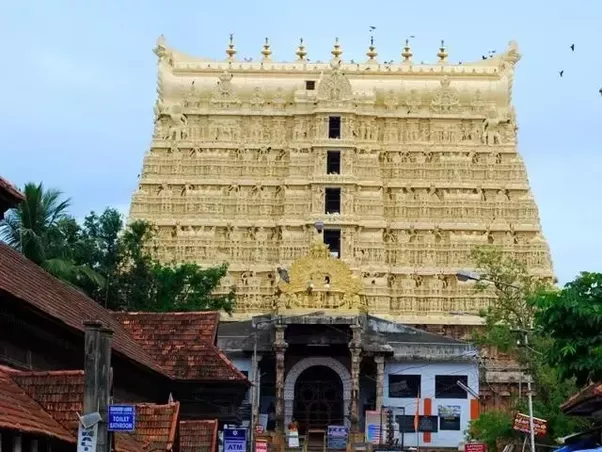
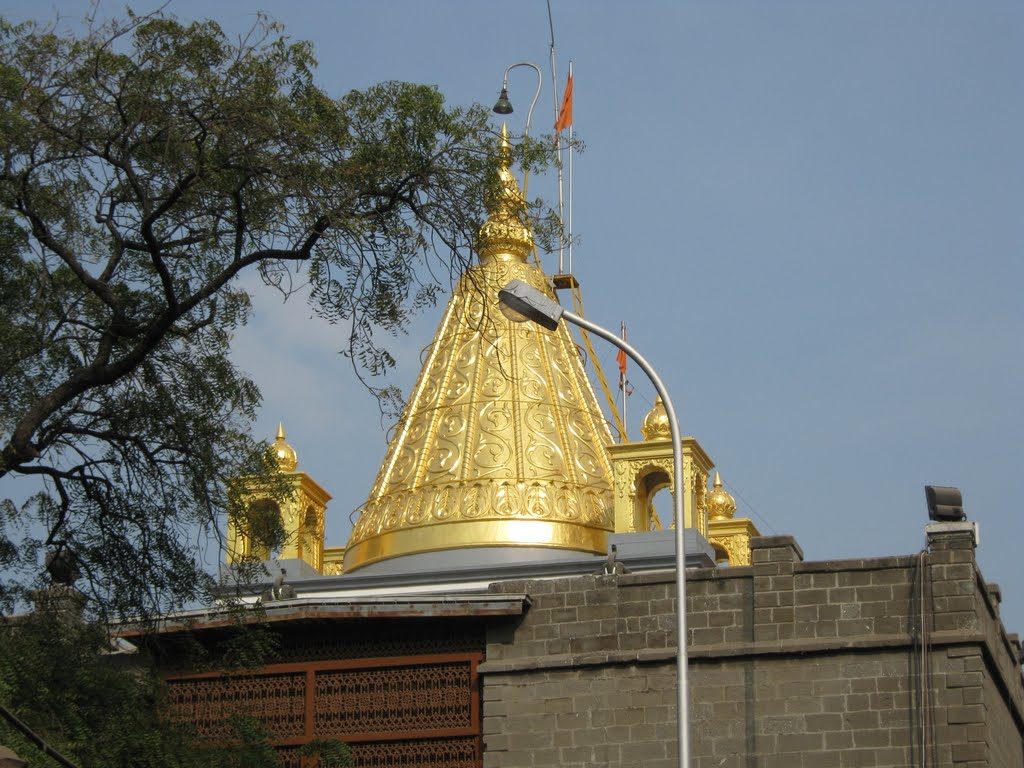
Generally mass gatherings, as we all know, in religious sites is the reason attributed to the spread of infection, and this in turn has led to almost zero travel and hotels bookings even after the relaxation of lockdown restrictions in many parts of India. COVID cases in Amristar, and closure of the Shirdi, Vaishno Devi and Tirupati temples made only matters worse. Friday prayers were called off at the Bada Imambadi in Lucknow. Even the gods have remained inaccessible for most part of the time during the lockdown. Hotel bookings and room night in several pilgrimage sites have seen an acute fall in the bookings with travellers putting off travel plans indefinitely, said hotels, OTAs and tour operators. Though the decision to close down pilgrimage sites is viewed as a welcome decision, travel and tour operators may know that they cannot be closed indefinitely. Just for the numbers, there was an aggregate decline of 80 percent in hotel bookings and room nights at pilgrimage sites between the months of January and February this year.
PayTM has stated that the company has witnessed an unprecedented 30 per cent drop in travellers touring the top ten pilgrimage sites in the country. All said and done pilgrimages to the holy sites of the world will see a fundamental change in how it is being conducted in the near future.
How has COVID-19 changed Business or Corporate Travel?- Part 3
The third part of the blog gets more interesting as we discuss another key parameter that will have a huge bearing on the how business or corporate travel will be conducted in the near future. Did we mention safety hygiene? Hygiene, both personal and communal, and in everything we do, has turned out to be a life-saving virtue throughout the pandemic, in addition to maintaining social distancing and equipping ourselves with a proper safety gear. Not surprisingly, customers will display a greater sense of loyalty towards hotel and restaurant brands that practise hygiene religiously, in line with the already existing safety standards and protocols.
Duty-of-care policy:
Now, if you are a corporate or business travel manager, you are in for a spot of bother. The duty-of-care policy adopted by a company is traditionally a documentation of the safety protocols required to protect the welfare and well-being of the employees and staff during business travel. The company has a moral responsibility to safeguard their employees against COVID-19 and other impending virus infections in the future via the duty-of-care policy, and more importantly ensure the employees are fully compliant with the guidelines prescribed.
The travel manager, therefore, has to ensure that majorly hygiene does the talking in the selection of travel vendors including hotels, restaurants , cabs, etc. No longer will cost control alone dictate terms in the selection criteria, but also safety, in addition to other factors such as risk assessment and compliance. It goes without saying that traveller safety, along with comfort, can directly impact productivity at the end of the day. This also includes avoiding travelling in jam-packed planes and overcrowded airports. The firm should also guarantee medical response and security of the employee in the wake of an emergency, well aware of the potential risks. All said and done these are tough times if you are a business owner, and both caution and care must be exercised in order to protect the safety interests of your travelling employees.
How has COVID-19 changed Business or Corporate Travel?- Part 2
Most travel management pundits predict that domestic travel will pick up faster than international travel, although this small rate of increase will be triggered only by the current economic situation. It is seen that domestic travel had recovered fully in two to three years in the previous economic slumpdown. Most businesses are expecting air travel to normalize, and this is evident from the increasing air travel bookings in the US, the most severely pandemic-hit country, in the period between June and July.
There are many mid-and senior-level executives in several corporate companies, particularly in the area of travel, finance and entertainment, who feel that business travel will resume no sooner than lockdown restrictions are relaxed, as Zoom meeting, and other virtual conferencing tools aren’t just good enough where human touch is of utmost essence. Mergers and acquisition, worth billions of dollars, are at stake and to set them in motion, requires more than meeting the eyes with clients, colleagues, investors and project sponsors. Logistics are very much in the scheme of things if key corporate events have to be conducted offline. Virtual summits, as most industry experts put it, are clearly rudderless without personalized call-to-action. There are many companies that have hired travel managers, and expecting the shutdown restrictions to be lifted to resume business travel. Amongst those who will be the first to hit the road include management consultants and VCs expected to revive the fortunes of the companies hit by pandemic-caused recession.
Corporate travel is slated to rebound at least by 50 percent same time next year, but conferences, industry summits, meet-ups and conventions may require more time to jump back than one may expect. It is to be noted that business or ‘bleisure’ travellers, as they are called due to the combination of business and leisure contribute the most to the travel sector as historically they have never been price-sensitive unlike leisure travellers. This seemingly justified optimism could even raise hotel rates and airfares in the same period.
How has COVID-19 changed Business or Corporate Travel?- Part 1
The devastating effects of COVID-19 have stalled business operations worldwide. Industrial operations have come to a standstill, and there really seems to be no respite for business owners as such. The travel industry has been grinded to a halt with lockdown after lockdowns in place, though they cannot be maintained indefinitely. While the pandemic is not yet over, most corporate employees have been asked to work from home and hold meetings virtually. As a result, corporate travel, which includes planning a business trip, conducting a corporate event, or other related activities for the corporate traveller, has been severely hit.

How do the current T & E numbers stand?
The Global Business Travel Association (GBTA) published a report that 98 percent of its member companies had put off international business trips, and 92 percent cancelled all or most domestic trips. However, the survey conducted during the month of Month later had it that more than 50 percent of its respondents had wanted to resume travel in the coming months. These numbers shouldn’t actually surprise you, given the gravity of business travel activities. Furthermore, Certify, a leading T & E report management solution provider, estimates that 445 million business trips happen every year, valued at around $251 billion. GBTA estimates the same to be around $345 billion for T&E.
An Oxford Economics study puts it that every dollar invested in business can generate as much as $12.50 back in revenue. If you put it all together, the corporate firms are losing revenue big time, as well as the travel tour operators, agencies and the travel management companies (TMCs) owing to the travel ban in the prevailing pandemic situation.
Another survey conducted by Oliver Wyman has it that about three-quarters of business travellers expect to travel in the same frequency or even more post-pandemic, due to resurgence in economic activity, comparatively low travel costs with the easing of lockdown, and pent-up demand after hosting virtual meetings for several months. Even after lockdown is over, and when business will eventually pick up, business travellers will think twice before travelling internationally to stay away from infection. Let’s see how travel business travel will look up post COVID-19 situation in the subsequent blogs.
