
How has COVID-19 changed Business or Corporate Travel?- Part 2
Most travel management pundits predict that domestic travel will pick up faster than international travel, although this small rate of increase will be triggered only by the current economic situation. It is seen that domestic travel had recovered fully in two to three years in the previous economic slumpdown. Most businesses are expecting air travel to normalize, and this is evident from the increasing air travel bookings in the US, the most severely pandemic-hit country, in the period between June and July.
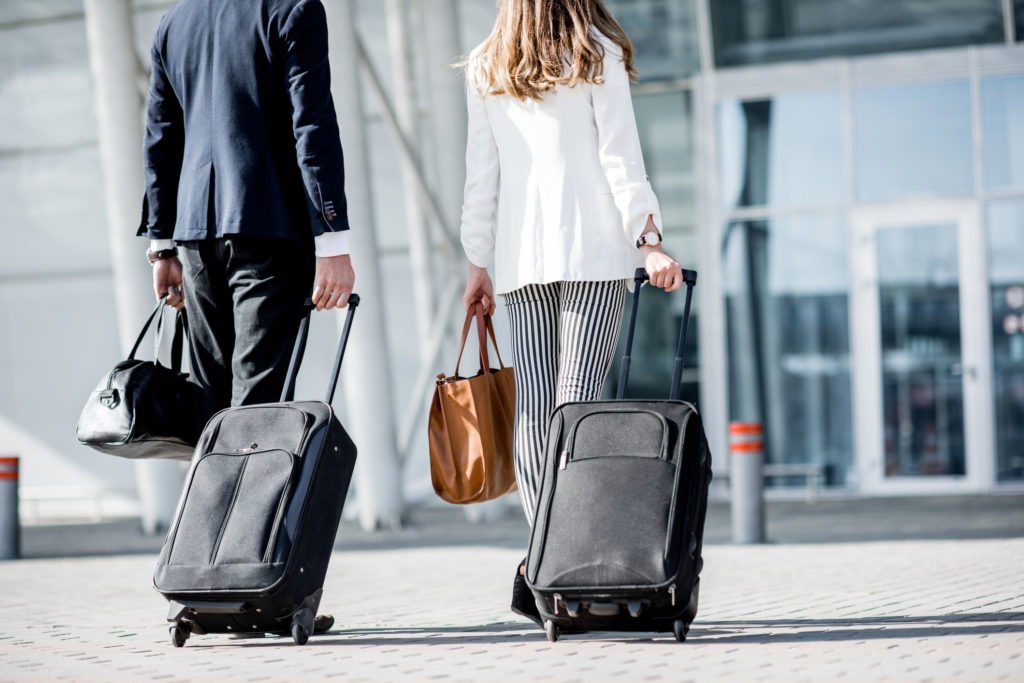
There are many mid-and senior-level executives in several corporate companies, particularly in the area of travel, finance and entertainment, who feel that business travel will resume no sooner than lockdown restrictions are relaxed, as Zoom meeting, and other virtual conferencing tools aren’t just good enough where human touch is of utmost essence. Mergers and acquisition, worth billions of dollars, are at stake and to set them in motion, requires more than meeting the eyes with clients, colleagues, investors and project sponsors. Logistics are very much in the scheme of things if key corporate events have to be conducted offline. Virtual summits, as most industry experts put it, are clearly rudderless without personalized call-to-action. There are many companies that have hired travel managers, and expecting the shutdown restrictions to be lifted to resume business travel. Amongst those who will be the first to hit the road include management consultants and VCs expected to revive the fortunes of the companies hit by pandemic-caused recession.
Corporate travel is slated to rebound at least by 50 percent same time next year, but conferences, industry summits, meet-ups and conventions may require more time to jump back than one may expect. It is to be noted that business or ‘bleisure’ travellers, as they are called due to the combination of business and leisure contribute the most to the travel sector as historically they have never been price-sensitive unlike leisure travellers. This seemingly justified optimism could even raise hotel rates and airfares in the same period.
A world without Travel – From the desk of Emperor Traveline
“The world is a book, and those who do not travel read only a page.” – Saint Augustine
These lines inspired us to start our travel operations back in 1980, first with domestic travel programme. In the beginning of the 21st century, there was much hype about the phenomenal growth of India’s economic and scientific prowess; thanks to the vision of former President of India and one of the country’s brightest scientific minds, Dr. APJ Abdul Kalam. The promising hopes of the year 2020 reverberated with the youth of India due to Dr.Kalam tagging it, talking and writing endlessly about it and even publishing a book for the inspired youth. He even envisaged the role of travel and tourism in bringing the world together.
Come 2020, the world is witnessing a world without travel. The international borders have been insulated, people isolated and quarantined, hopes shattered, dreams broken and lives consumed. As the world is gearing itself to adjust to the ‘new’ normal at least for the next six months, it will undergo waves of transformation hitherto never seen.
Travel and tourism is the most affected sector by a long way. Not to mention the education, business and medical sectors which depend on travel for operation and efficiency. For most of us fear will be the single most demotivating factor that can thwart the prospect of travelling as COVID-19 will continue to haunt air travellers especially for a good couple of years from now. How we, as travellers, cope with our unremitting fears and reservations is a challenge within.
With mental health levels of people going from bad to worse during the lock down period, travel is the only known panacea that can alleviate people out of mental issues like depression, anxiety, isolation, loneliness, restlessness and other unwarranted fears due to COVID-19 pandemic.
All about the Fort Aguada – the Fortress of Strength
- Goa, the smallest state in India in terms of area and word length, synonymous for the spectacular beaches, stunning parties and ultra modernity has lot more to offer in terms of heritage and culture in addition to its exciting touring destinations popular the world over.
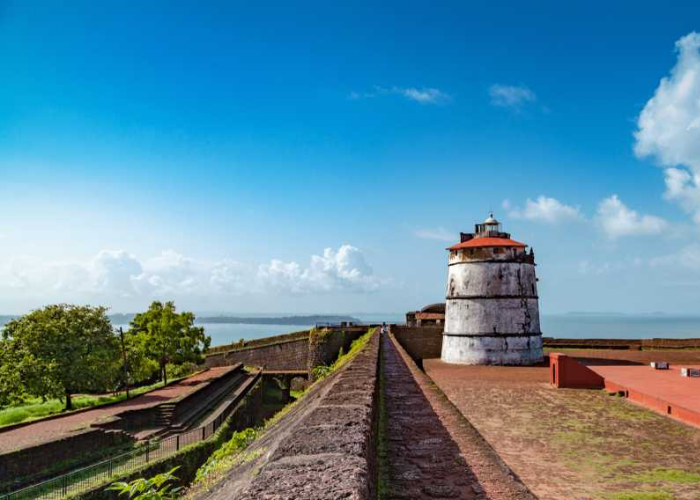
- A stark reflection of the state’s colonial history, the Fort Aguada is built in 1510 after the Portuguese conquered it comprehensively.
- The fort that stands stall is located on the Sinquerim beach at the mouth of the Mandovi River facing the Arabian Sea.
- Built between the years 1609 and 1612, the name of the fort comes from ‘agua’ meaning ‘water’. There is a spring within the fort that enabled the crews of passing ship to top up their freshwater sources.
- The fort was bifurcated into two sections: the upper part functioning as a watershed, and a fort well insulated by a deep dry moat. The lower part served as a safe hour for the Portuguese vessels to hoard and top up their supplies, in addition to being a bastion, gun powder room and a clandestine escape passage during emergency.
- Besides the huge cistern of the fort could store up to 2, 30,000 gallons of water. The high fort served as a citadel against invading forces during the Portuguese rule.
- Main attractions of the fort include a four-storey lighthouse, one of the oldest in Asia, which was raised in 1864. However, it has remained out of use since 1976.
- Interestingly, huge bonfires were lit on the ‘Hills of Pilot’ just above the site of the Church of Immaculate Conception in Pune to guide the sailing ships into safety.
- It was under the administration of Antonio de Oliveira that he turned the lower part of the fort into prison, and protestors who demanded that Goa be handed back to India were imprisoned here. Today, it is more popular as Goa’s central jail housing those accused of trafficking and narcotics-related offenses.
- Much of the fort today is acquired by the Taj group of Hotels as a Heritage hotel. Get yourself transported back to the time where the angry waves rolled the ships into its sheltered harbour. Definitely, worth a visit.
What are the best places to do shopping in Malaysia?
When you are shopping in Malaysia, you’ll be inundated with a plethora of options ranging from electronics to fashion. It’s still fine even when all you wanted to do is window shopping. Malaysia is a happening place for luxury brands, street style shops, local goods sold in flea markets where you can find slashed prices for everything. And there is Langkawi that can pull in any shop alcoholic with duty-free shopping. Other top tourist destinations include Cameron Highlands and Kuala Lumpur. Here are some of Malaysia’s top shopping markets and what you’ll be happy buying from each of them.
 1. Petaling Street:
Street shopping in Kuala Lumpur lending a Chinese touch. Specialties here at Petaling Street include bag tags, apparel and colorful artificial flowers, electronics among others.
2. Central Market in Kuala Lumpur:
Located in Kuala Lumpur, the Central Market is the best place to check handicrafts, Souvenirs, bags and fashion accessories.
3. Suria KLCC:
Another shopping mall in the Petronas Towers housing all the luxury brands including Salvatore Ferragamo, Gucci, Louis Vuitton, and Marc Jacobs, you can look for fashion apparel, footwear, bags, and other accessories.
4. Pavilion Kuala Lumpur:
Located at Bukit Bintang District in Kuala Lumpur, the Pavilion KL is a Mecca for shoppers where you can check out garments and related fashion accessories.
5. Berjaya Times Square:
Considered to be one of the world’s biggest shopping malls, the Berjaya Times Square Mall has everything for you to pamper and spoil yourself. Must-check out items here include candies, cosmetics, footwear, and apparel.
6. Langkawi Parade:
One of the largest malls in Langkawi, it houses fashion products, souvenirs, electronics, and even liquor all at duty-free prices.
7. Langkawi Fair Shopping Mall:
With over 100 retail outlets, the duty-free Langkawi Fair Shopping Mall gives you handicrafts, souvenirs, and apparel sourced from some of the best brands without burning a hole in your pocket.
8. The Zon Shopping Paradise:
The Zon Shopping Paradise in Langkawi is located next to the popular Underwater World. Things to check out here include perfumes and liquors at prices ten to forty percent lesser compared to other shopping malls.
9. Cameron Highlands:
Cameron Square, one of Cameron Highland’s most popular shopping destinations, is great for shopping souvenirs, mobile gadgets, and apparel.
10. Central Market:
Known as the “Jewel of Kedah”, the Central Market of Cameron Highland is known for housing quality local produce, tea, strawberries, flowers and handicraft by skilled local artisans.
Nightlife In Coorg
Nightlife in Coorg is not something we hear it often, but it does exist. We have presented in this rather short blog what nightlife is all about in Coorg and where you can find a few good bars in the hill station to spend the night out with your family and buddies that is when the sun is down and the lights flicker on. Though the bars and pubs don’t hoot in the wilderness of the night nor do they dance up to ear–splitting music; they aren’t too unexciting either.
 Hive Bar:
The Taj Madikeri Resort & Spa, Coorg brings you exotic drinks available at the Hive Bar which lends a beautiful and comfy seating with a variety of food to gently smack on. A sparsely crowded bar, it has decent live music and presents a stunning view of the gorgeous hills. Things to try: chilli infused vodka at the bar.
Planter’s Club – The Bar:
An amazing place to stare at the skies at night, The Planter’s Club Bar boasts of a classy decor and a great vibe embracing a myriad of cultures. You will be mighty pleased by the exceptional service at Planter’s Club Bar making it a top–rated bar in the hill station.
The Lost Horizon:
Situated near St. Joseph’s Convent, The Lost Horizon is another great bar to chill out, when in Coorg, with a range of drinks and beverages including warm and sparkling wine. The warm interiors give a ‘Victorian’ pub feel to it. This bar is gaining popularity with foreign tourists who come here for a chilled beer and to experience the nightlife.
The Deck:
Nestled snugly on the lap of The Tamara Coorg resort, this is a peach of a place, one that can almost guarantee extraordinary comfort and luxury. The Deck can be best described as ‘tranquillity in the centre of wildernesses’. The lovely high–end decor is slightly inconsistent but, maybe, that is its selling point. It has an assortment of drinks to offer, and you are assured of a decent nightlife experience here. Well, it’s time to hang out for the night in Coorg!
Heli-Taxi Service To Commence Between Manali and Rohtang: Himachal CM Jai Ram Thakur
The Himachal Pradesh government has announced that it will commence heli-taxi service soon between major tourists’ spots of Manali and Rohtang Pass, which it is confident of giving a fillip to tourism in Lahaul and Kullu areas. Chief Minister Jai Ram Thakur made the announcement, earlier this month, in a local public meeting. The heli-taxi service will carry tourists safely over the delightful snow-capped peaks, whilst offering a panoramic view of the region.
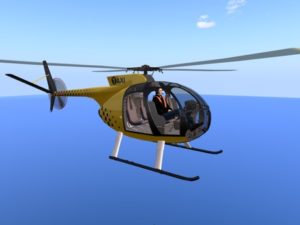
The chief minister hinted that the government is taking all the required steps to give a new boost to the tourism sector in the region by hopping up the infrastructure and other amenities to develop unexplored tourist destinations to entice more high–end visitors and rake more revenue. The heli-taxi service can prove more than handy during unforeseen events such as a landslide.
The chief minister further added that the service is already in operation between Shimla and Chandigarh and will soon commence between Manali and Rohtang to make life lot easier for tourists. Similar efforts will be put in future from Dharamshala to Dalhousie and Chamba, in addition from Manali to Chandigarh. The Himachal Pradesh Government had earlier started a helicopter taxi service from the city of Shimla to Chandigarh. The six-seater helicopter that flies from Manali to Rohtang at a height of 13050 feet, covering 50km distance, will bring down the travel time to twenty minutes or maybe less.
This operation was put through a trial run recently, which proved successful; a chopper made a soft landing on a helipad built recently at Vashisht Bihal near Manali. Rohtang Pass and Marhi also have two Helipads to its credit, with six more slated to come in the region in the future.
The heli-taxi service, however, will be restricted in case of inclement weather conditions in the region. The Rohtang route links the Kullu Valley with the Spiti Valley of the state. The heli-taxi service, nevertheless, is believed to do a world of good for both locals and tourists alike.
Are The Havelis Of Old Delhi Disappearing In The Tides Of Time?
Splendid Havelis that once dotted the lanes of Old Delhi were known for their impressive doorways, stunning marble arches, and eminent occupants. But time has its own terms! Time unleashed destruction and with no hopes of the restoration of palatial homes, the grand structures, today, are left to oblivion barely identifiable. It goes without saying that official supineness and financial constraints are destroying the capital’s heritage bit by bit.
The shambles of several grand and spacious homes in Chandni Chowk echoes the sentiments of the stately palace of the bygone era. Zeenat Mahal, constructed in 1846, bears the name of the favorite wife of Bahadur Shah Zafar, the last Mughal emperor of India. The biggest mansion in the area, adorned with jharokhas with jaali work, intricate murals, and lively colors, has seen the distinctive times of history.
Old Delhi, built by the Mughal emperor Shahjahan, is a walled city known as Shahjahanabad that has eight gates Kashmiri, Nigambodh, Kabuli, Mori, Ajmeri, Lahori, Delhi and Turkman gate which stands formidable and tall to this day. However, the walls that connected the various gates are no longer found here.
Chandini Chowk, one of the main streets of Shahjahanabad was designed and constructed by Jahanara Begum, one of the most talented Mughal princesses and daughter of Shahjahan. A canal ran through the entire city and as it reflected moonlight brilliantly, it earned the name of “Chandni Chowk” (or Moonlit Square)
There is the Bazaar Sita Ram in irremediable ruin. The Haksar haveli, where Jawaharlal Nehru, India’s first Prime Minister, tied the knot with Kamala Kaul is in a dilapidated state.
An interesting structure in the Katra Neel section is the Chunnamal haveli, a three-story building, which, at one point of time had 128 rooms. This looks like the only structure that is kind of well preserved compared to the other havelis in the area.
Other places of attraction include Namak Haram haveli, Fatehpuri Masjid and Queens Garden (also known as Jahanara ka Bagh or Begum ka Bagh). This place used to be quite famous for maalishwalas. Another historic landmark is Hardayal Municipal Library, strangely named after the Hardayal, the man who hurled a bomb at Lord Harding, a British officer during the freedom struggle.
Walking through these battered lanes one can sense the embers of a once free-flowing Indo-Islamic heritage and culture. The haveli quarters that vanished in the sands of time offer you a peep into a glorious past that will be forever remembered as the golden period of Indian medieval history.
All about the Dambulla cave temple in Srilanka
If you are in Srilanka (formerly Ceylon), the Land of Buddha as it is known, Dambulla Cave Temple is one place you shouldn’t miss no matter what. This ancient temple contains a series of five pre-historic caves and 157 statues of Lord Buddha in total. The several exquisite paintings on the walls and ceilings of the temple are a reflection of the popular Buddhist religious art of the olden era.
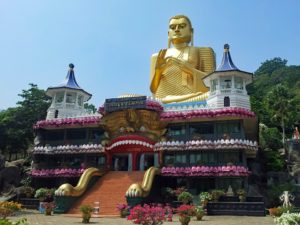 The history of the awe-inspiring caves, temple and rock dates right back to the 1st century BC. It’s not just the statues in the caves that could fascinate one, but also the several delicate and sinuous paintings on the ceiling and walls, produced with indigenous traditional paints.
The rich ancient history, archaeological significance and culturally artistic values of the temple were recognized by the UNESCO as a World Heritage site in 1991. The temple has stood the test of times for over twenty two centuries and never fallen shy of reverence, adoration and spirituality. Visitors may need to use the steps leading to the top of the rock for a panoramic view of the temple which is as awe-inspiring as its stunning interior.
It is thought to have been the home to pre-historic Srilankans as several burial sites were excavated in the past that are believed to be at least 2700 years old. However, it gained significance only after the rise of Buddhism in the Island nation. It is traditionally believed that the caves were converted into a permanent temple by Valagamba of Anuradhapura who went into exile from there at the time; he was then accepted as a refugee by South Indian usurpers. He spent the next fifteen years into hiding within the caves before successfully reclaiming his kingdom: he wanted to thank the gods and built the temple where he had sought refuge for years.
The numerable artefacts and statues that one can find inside the Dambulla is a true reflection of the artistic talents of the Buddhist era in Srilanka. A visit to the cave and a walk through it is worth every cent and an awesome day out.
5 best places to visit near Sujangarh, India
Alwar
Alwar is 239 kms away from Sujangarh. It offers you a mix of architecture, history, and nature, and is a perfect weekend getaway. It is home to the grand City Palace, the wonderful Sariska Tiger Reserve, the stunning Siliserh Lake, and also the Government Museum. You can book a safari in the Sariska Tiger Reserve. The reserve is home to the Bengal Tiger, Indian Jackal, Indian Leopard, Wild Boars and Sambhar. Another lovely spot is the Siliserh Lake where you can enjoy a lovely boat ride.
Pushkar

Pushkar is 139 kms away from Sujangarh. It is full of culture, colour, joy and warmth! The colourful streets lined with small shops are the first thing that attracts one to Pushkar. There are lovely markets, numerous temples and a serene lake. The best time to visit the Pushkar Lake is during the evenings. Next to the lake there is also a small temple. You can explore the market next to the temple, and also the lake. At the market you will get stunning silver jewellery apart from salwaar suits and saris.
Bundi
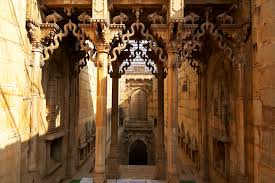
The City of Rajputs, Bundi, is 284 kms away from Sujangarh. It is a captivating city that is home to a number of forts and palaces, and surrounded by hills on three sides. The Garh Palace is a must visit. It is a monument that has stood the test of time. The manicured gardens and walls with contemporary paintings make the fort or palace a spectacle in itself. The strong engineering skills from centuries ago are well displayed in the many stepwells, which was built for harvesting rainwater. There are many tall pillars, colossal forts and more to visit in Bundi. The Bundi Palace is also a must visit. It houses many frescoes and murals. If you want a royal stay at Bundi, Nawal Sagar Palace is perfect. This quaint town is just right for a relaxing getaway as it is not very crowded like other cities.
Bikaner

To enjoy the true spirit of Rajasthan you must visit Bikaner (132 kms away from Sujangarh). This medieval city is outlined by a maze of fort walls, narrow streets, and old Havelis. The holiest temple here is the Karni Mata Temple where rats are fed and worshipped. In this desert city with palaces, forts, and temples built with yellow and red sandstone Rajput art and architecture shines in all its glory. Some of the heritage hotels are palaces for eg. the Laxmi Niwas Palace and Lallgarh Palace. The Junagarh Fort is a must visit. The grandiose lifestyle of the past Maharanas is preserved in the many museums here. There are also a couple of notable Jain temples to visit. You can have authentic Rajastini delights, go for dune camping and even camel rides in Bikaner.
Ajmer

Ajmer is 141 kms from Sujangarh, and is surrounded by the Aravali hills. The shrine of Khwaja Moinuddin Chisti is a very popular tourist attraction here. The city presents a mix of Islamic and Rajput architecture. A must-see is the splendid Taragarh fort located on the top of the Taragarh Hill. The tomb of Khwaja Moinuddin Chisti – the Ajmer Sharif Dargah – is at the foot of this hill. You can also visit the Akbar Fort and Museum, and several Islamic, Hindu, and Jain religious sites. For shopping visit the women’s market.
How to take care of your health in-flight and after?
You are inactive and seated for long periods of time when you are flying. The environment can be pressurised and low in humidity. Air travel allows for fast movement across many time zones unlike other forms of transportation, causing a disruption to the body’s ‘biological clock’.
Here is a list of things you can do to take care of your health in-flight and after:

Cabin Humidity and Dehydration
Humidity levels are less in the cabin. This can cause drying of the throat, nose and eyes.
We recommend that:
During your flight you drink water and juices frequently.
Drinks like tea, coffee and alcohol can increase the body’s dehydration so don’t drink them in excess.
If your eyes are irritated remove contact lenses and wear glasses.
To refresh the skin use a skin moisturiser.
Eating and Drinking
Both during and after your flight proper drinking and eating will improve your comfort.
We recommend that:
Just before and during the flight avoid overeating. When the body is inactive it is difficult to digest too much food.
In-flight Workout
Certain muscle groups can become stiff as a result of long periods of sitting. These exercises will help muscle relaxation by increasing the blood circulation of the body.
Some of the exercises are:
- Ankle Circles: Move one foot clockwise and the other foot counter clockwise. Reverse circles.
- Neck Roll: Drop ear to shoulder after relaxing shoulders and gently roll neck forward and back. For about five seconds hold each position. Repeat five times.
- Knee to Chest: Clasp hands around the left knee and hug it to your chest. Hold stretch for 15 seconds. Repeat 10 times.
- Forward Flex: Slowly bend forward with both feet on the floor and stomach held in, and walk your hands down the front of your legs toward your ankles. Slowly sit back up after holding stretch for 15 seconds.
- Shoulder Roll: Roll your shoulders in a gentle circular motion.
Every hour do these exercises for around three or four minutes. Also, occasionally get out of your seat and walk down the aisles.
Cabin Pressurisation
For your health and comfort it is necessary to pressurise the external air drawn into the cabin to an adequate density.
During climb and descent the change in cabin pressure does not pose a problem for most travellers. However, you could experience discomfort if you suffer from sinus infections, or certain cardiovascular conditions.
Use nasal sprays half an hour before the descent if you have nasal congestion. This will help open up your ear and sinus passages.
Try swallowing or yawning to ‘clear’ your ears.
If you are flying with a baby give your baby a dummy during descent as swallowing will help infants level the pressure in their ears.
Jet Lag
When you travel to different time zones without giving the body a chance to adjust to new night and day cycles it can cause jet lag. Your biological clock is disturbed the more time zones you cross during your flight. The common symptoms are tiredness, sleeplessness, and appetite at odd hours or loss of appetite.
Try these tips to minimise the effects of jet lag:
- Before your flight get a good night’s rest.
- If possible, after arrival give yourself a day or two to adjust to the new time zone.
- If you suffer from sleeplessness after your arrival try some light exercise, do some reading, or go for a brisk walk.
