
Best Hill Stations in India | Summer Holiday Packages
Beating the summer heat while sitting at home seems quite challenging this year. Reports claim that this year’s temperatures are way higher than usual. Air coolers or conditioners can possibly cool you only for a couple of hours but how about managing the whole day? The only way to escape from this kind of scorching climate is to plan summer holidays with your friends or family. And we’ve done all the groundwork for you—scouting for the best hill stations to visit in India for summer.
Five Best Hill Stations in North India During Summer
Shimla, Himachal Pradesh
An amazing scenic beauty with an amusement park, Kali Bari Temple, horse riding, Toy train rides, Pabbar River, Kufri Avenue, Kullu Valley, fishing, skiing, etc.
Gulmarg, Jammu & Kashmir
A must-visit destination in the snowcapped Jammu with Asia’s longest cable car, adventurous skiing, the world’s largest Golf Course, and a biosphere reserve.
Auli, Uttarakhand
Visiting Auli Uttarakhand in summer could be your best decision this year, as you can enjoy trekking, the artificial lake, Nanda Devi National Park, and camping.
Dharamshala, Himachal Pradesh
Most people might know this place through the Dharamshala Cricket Stadium. However, regarding tourism, it is home to the Dalai Lama, cedar forests, rock temples, and many spiritual centers.
Mussoorie, Uttarakhand
Widely referred to as the ‘Queen of Hills’, it is a wonderful place for kids to cherish the aquarium, zoo, gaming zones, and magic shows.
Five Best Hill Stations in South India During Summer
Ooty, Tamil Nadu
A pristine South Indian hill with beautiful lakes, botanical and rose gardens, and tea estates. Be sure to taste their homemade chocolates!
Munnar, Kerala
Though it is famous among newlywed couples as a honeymoon destination, it is a perfect summer vacation place for you to embrace waterfalls, dams, a national park, and viewpoints.
Coorg, Karnataka
Another magnificent hill station in South India that you cannot miss this summer! The unique spots include the elephant camp, trekking, Abbey and Irupu Falls, Madikeri Fort, and Gaddige Raja’s Tomb.
Kodaikanal, Tamil Nadu
One of the tranquil hills that encompasses cloud-touching viewpoints, Shola Falls, pine forests, caves, two lakes, a solar observatory, and the daring Devil’s Kitchen.
Chikkamagaluru, Karnataka
Popular among trekkers, this hilly place houses the highest peak of Karnataka—the Mullayanagiri Peak. It also has two to three waterfalls, viewpoints, a coffee museum, and a national park.
Need help booking your tickets, making reservations, and arranging a tourist guide? Contact us!
Top Eastern-side Hill Stations in India
Shillong, Meghalaya
Indeed, tourists flock to this destination to admire the stunning beauty of Shillong Peak, Umiam Lake, Air Force Museum, Elephant Falls, etc.
Darjeeling, West Bengal
According to us, this is the best hill station to visit in May in India. It amazes visitors both in winter and summer with its toy train, observatory, monastery, Tiger Hill, temple, and zoo.
Tawang, Arunachal Pradesh
One of the incredible summer destinations in northeast India, with India’s largest Buddhist monastery, the Tawang War memorial, waterfalls, a lake, and Sela Pass.
Frequently Asked Questions
1. Which is best Darjeeling or Ooty?
While both of them are among the top five best hills in India, each of them is unique. On one hand, Ooty is known for tea plantations and emerald green forests. On the other hand, Darjeeling is known for its snowbound mountains and adventure activities.
2. Which hill station is best for summer vacation?
It depends on your preference for footfalls, food, culture, activities, things to do, type of places to visit (heritage, romantic, pilgrimage), etc.
3. What are the 5 famous hill stations in India?
India has a plethora of hills and highlands. Thus, it is extremely difficult for one to list out the top five. However, the most important of them that you cannot miss visiting at least once in your life are Shimla, Gulmarg, Ooty, Manali, and Darjeeling.
4. How to plan a summer trip to these hill stations?
Forget about the planning headache when the leading tour operator is ready with summer holiday packages offering customizations in your itinerary—check out the packages now!
5. Who is the king of Hill Station?
While Mussoorie is called the queen of hills in India, the king of hills could be Shimla in North India or Ooty in South India. When considering Central India, Panchmarhi should be the right choice. And in eastern India, Darjeeling should be the one.
Megamalai Tourist Places | Best Time to Visit
When thinking of hill stations in Tamil Nadu, the southernmost state in India, you might get clues about the famous Ooty, Kodaikanal, Yercaud, or Yelagiri hills. But did you know? There are a lot more off-beat hill stations in the state with the utmost beauty. Meghamalai is one of them! Situated on the majestic western ghats,
When thinking of hill stations in Tamil Nadu, the southernmost state in India, you might get clues about the famous Ooty, Kodaikanal, Yercaud, or Yelagiri hills. But did you know? There are a lot more off-beat hill stations in the state with the utmost beauty. Meghamalai is one of them, So plan it with a Long weekend this year.
Situated on the majestic western ghats, it is located in the Theni district of Tamil Nadu. The hills are at a height of 1,500 meters above sea level. It has vast tea and cardamom plantations, extremely stunning views, gushing waterfalls, serene weather, and, above all, fewer footfalls.
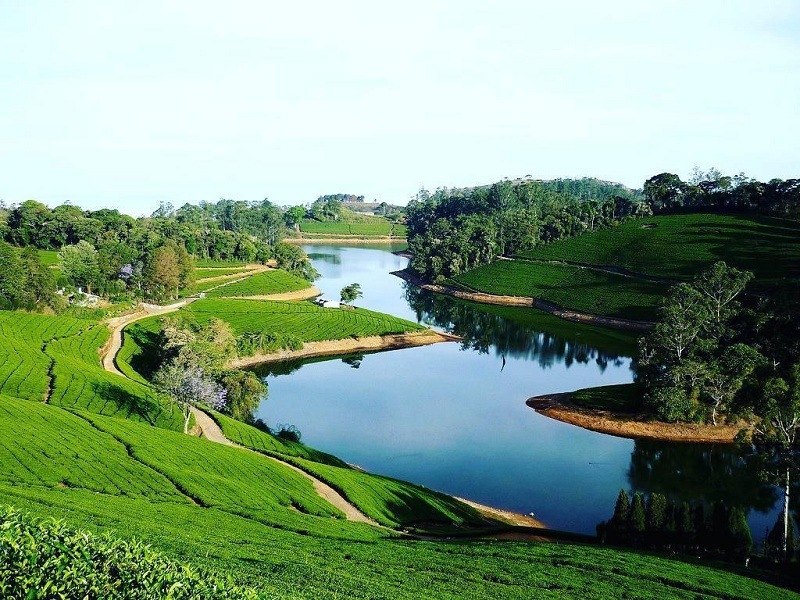
The top 5 places to visit in Megamalai
- Chinna Suruli waterfalls
- Murugan and Mangaladevi temples
- Shanmuganathi, Manalar, and Vaigai dam
- Meghamalai and Maharajamettu’s viewpoints
- The tiger reserve and wildlife sanctuary
Chinna Suruli waterfalls
It is a small ‘Suruli waterfall’ with two tiers rushing down the slopes of the Meghalamalai hills. It is different from that of the ‘Suruli Falls’ spotted in the Cumbam district. If you’re lucky, you can spot some wild animals on the way to the waterfall. It is recommended to visit the attractions between 7 a.m. and 5 p.m. to avoid wildlife dangers.
Explore this exquisite, off-beat hill station with the leading Travel agency tour packages!
Murugan and Mangaladevi temples
You can find the Murugan temple atop the hill station. The primary deity is Lord Muruga. There is also another temple called Mangaladevi Temple a few kilometers away, which was built on rocks.
Shanmuganathi, Manalar, and Vaigai dam
The Meghamalai Hills houses around 5–6 dams and the most important of them are these three dams. Shanmuganathi Dam is found in the foothills and was built on the Shanmugha River. This is one of the important tourist places in Megamalai. Whereas Manalar dam is a man-made one, which can let you admire the scenic beauty of tea estates in the Theni and Cumbam places. Comparatively, Vaigai Dam is bigger and was built on the famous Vaigai River. Indeed, it is a wonderful place for families to picnic.
Meghamalai and Maharajamettu’s viewpoints
These viewpoints give a panoramic view of the cloud-enclosed green peaks, valleys, lakes, tea plantations, the town, etc. And it is the best spot for photography—one of the activities to do in Megamalai.
The tiger reserve and wildlife sanctuary
These attractions are perfect for family tourists with kids. The Meghamalai Tiger Reserve is the state’s fifth reserve. You cannot miss the tiger safari when visiting here. The Srivilliputhur Wildlife Sanctuary is also connected, and hence you can enjoy spotting deer, elephants, big cats, and other wild animals.
You can add a few nearby tourist places to the itinerary and make it a complete holiday vacation. Take help from travel experts!
Megamalai tourism: Frequently asked questions
1. Is one day sufficient to visit all these places?
Definitely, one day won’t suffice to cover all the above-listed places. At least you have to spend two days visiting a couple of dams, temples, the sanctuary, and the waterfalls. A one-day road trip is also possible, in which you can visit one or two attractions along the way.
2. Which airport is nearby?
The closest airport to Meghamalai is Madurai International Airport, which is around one hundred and thirty kilometers away.
3. Which month is best for Megamalai?
December and January are the two best months to visit this picturesque hill station. However, you can enjoy the cool climate throughout the winter months between October and March.
4. What is the other name for this hill station?
The popular name is “High Wavy Mountains.” But local people in Tamil Nadu call it “Pacha Kumachi.” The word ‘Pacha’ means green and ‘kumachi’ means peaks or mountains.
5. What is the best time to visit Megamalai?
Visiting this place in winter can take you to a paradise on earth. The cold weather allures each one of you and ensures you leisurely visit all the attractions and enjoy a relaxing trip. The summer season can be considered but please avoid the monsoon months.
6. Is it safe to visit this mountain?
Meghamalai is totally a safe place. The only thing that you have to be cautious enough about is elephants, as they can be spotted often on the roads or hairpin bends. Having said this, forest officers and supporting staff can help you wherever you are.
7. What is Megamalai famous for?
When it comes to fauna, it is known for elephants and tigers. With respect to flora, the hills are lush green with virgin forests. Besides, it is famous for a handful of dams, age-old temples, and pristine waterfalls.
Vande Bharat train routes in India
In February 2019, Indian Railways introduced India’s first indigenous state-of-the-art semi-high-speed superfast express train named ‘Vande Bharat’ between Delhi and Varanasi. The Vande Bharat Express Trains in India aims at connecting cities that are at medium distances, i.e., less than eight hundred kilometers away. In other words, these trains operate between cities
In February 2019, Indian Railways introduced India’s first indigenous state-of-the-art semi-high-speed superfast express train named ‘Vande Bharat’ between Delhi and Varanasi.
The Vande Bharat Express Trains in India aims at connecting cities that are at medium distances, i.e., less than eight hundred kilometers away. In other words, these trains operate between cities that take only less than ten hours to travel with current train services.
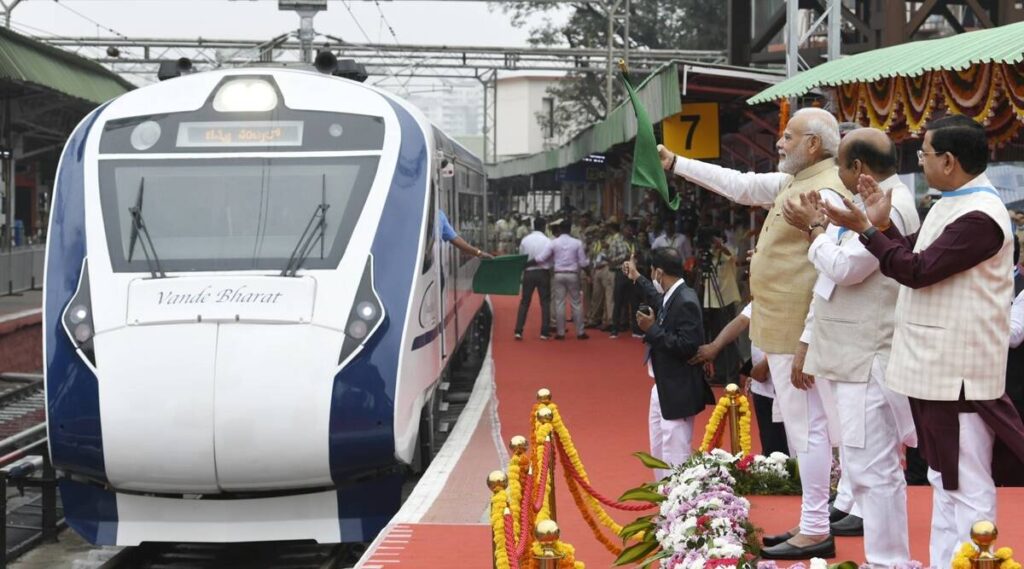
Did you know? The Ministry of Railways plans to launch nearly four hundred such trains in the coming years. Read more!
The History Behind Vande Bharat Train
The Railway Board of India intended and geared for high-speed trains in the year 1960. The study attempted to increase the speed from 96 km/h back then to 160 km/h. With the help of RDSO (Research Design and Standards Organization) and ICF (Integral Coach Factory), Chennai, the board was able to launch the 120 km/h Rajdhani Express in 1969.
After decades, the board introduced the 160 km/h train in 2016. Again, after the “Make in India” movement, the board introduced indigenously designed self-propelled EMU trainsets with a maximum speed of 183 km/h during the trials in 2018. Later, in 2019, these trainsets were named “Vande Bharat Express Trains” and launched between the capital of India and Varanasi.
Vande Bharat: All You Need to Know About The Train Routes
Here is a brief overview of the first ten routes launched for this express train in India.
1. Varanasi (Uttar Pradesh)—New Delhi
- It was the first pride of Indian railways.
- The Honorable Prime Minister of India, Narendra Modi flagged it off.
- The train number is 22435.
- It was launched in February 2019.
- It runs five days a week, except Thursdays and Mondays.
- The return train runs between New Delhi and Varanasi with train no. 22436.
2. New Delhi—SMVD KATRA (Jammu and Kashmir)
- It was the second train to be launched.
- The Honorable Minister of Home Affairs flagged it off.
- The train number is 22439.
- It was launched in October 2019.
- It operates all days except Tuesdays.
- The return train runs between SMVD KATRA and New Delhi with train no. 22440.
Get your confirmed (CNF) ticket with the leading Train ticket booking agency!
3. Mumbai Central (Maharashtra)—Gandhinagar CAP (Gujarat)
- The train number is 20901.
- It was launched in September 2022.
- Except for Sundays, it runs all the other days.
- The return train runs between Gandhinagar CAP and Mumbai Central with train no. 20902.
4. New Delhi—Amb Andaura (Himachal Pradesh)
- The train number is 22447.
- It was launched in October 2022.
- Except for Tuesdays, it operates all other six days a week.
- The return train runs between Amb Andaura and New Delhi with train no. 22448.
5. MGR Chennai Central (Tamil Nadu)—Mysuru Vande Bharat Express (Karnataka)
- The train number is 20608.
- It was launched in November 2022.
- It runs six days a week.
- The return train runs between Mysuru and MGR Chennai Central with train no. 20609.
- It won’t run on Wednesdays.
6. Bilaspur (Bilaspur)—Nagpur (Maharashtra)
- The train number is 20825.
- It was launched in December 2022.
- Except for Saturdays, it runs the remaining six days a week.
- The return train runs between Nagpur and Bilaspur with train no. 20826.
Need help with Vande Bharat train ticket booking? Contact us!
7. Howrah (West Bengal)—New Jalpaiguri (West Bengal)
- The train number is 22301.
- It was launched in December 2022.
- It operates all days except Wednesdays in a week.
- The return train runs between New Jalpaiguri and Howrah with train no. 22302.
8. Secunderabad (Telangana)—Visakhapatnam (Andra Pradesh)
- The train number is 20834.
- It was launched in December 2022.
- It operates six days a week, leaving on Wednesdays.
- The return train runs between Visakhapatnam and Secunderabad with train no. 20835.
Want to book the train ticket yourself? The official website for Online train ticket booking in India is IRCTC!
9. Mumbai Central (Maharashtra)—Sainagar Shirdi (Maharashtra)
- The train number is 22223.
- It was launched in February 2023.
- It runs six days a week, except Tuesdays.
- The return train runs between Sainagar Shirdi and Mumbai Central with train no. 22224.
- However, this train got canceled in 2023 due to poor signal systems and megablocks.
10. Mumbai Central (Maharashtra)—Solapur (Maharashtra)
- The train number is 22225.
- It was launched in February 2023.
- Except for Wednesdays, it runs all the other days.
- The return train runs between Solapur and Mumbai Central with train no. 22226.
The Successive Vande Bharat Train Routes Launched in India
11. Bhopal (Madhya Pradesh)—New Delhi (Train number: 20171)
12. Secunderabad (Telangana)—Tirupati (Andra Pradesh) (Train number: 20701)
13. MGR Chennai Central (Tamil Nadu)—Coimbatore (Tamil Nadu) (Train number: 20643)
14. Delhi Cantt (New Delhi)—Ajmer (Rajasthan) (Train number: 20977)
15. Thiruvananthapuram Central (Kerala)—Kasaragod (Kerala) (Train number: 20634)
16. Puri (Odisha)-Howrah (West Bengal) (Train number: 22896)
Are you looking for help with your Train Ticket reservation? Click the link to proceed!
17. Anand Vihar Terminal (New Delhi)—Dehradun (Uttarakhand) (Train number: 22457)
18. New Jalpaiguri (West Bengal)—Guwahati (Assam) (Train number: 22227)
19. Bengaluru (Karnataka)—Dharwad (Karnataka) (Train number: 20661)
20. Patna (Bihar)—Ranchi (Jharkhand) (Train number: 22349)
21. Indore (Madhya Pradesh)—Bhopal (Madhya Pradesh) (Train number: 20991)
Frequently Asked Questions
1. How many Vande Bharat trains are there in India?
As per the latest NDTV article dated February 2024, a total of eighty-two trains are operational across the Indian cities.
2. What facilities are on these trains?
The train has two classes—the AC Executive Class and the AC Chair Car Class. The executive class is furnished with 2×2 rotating seats and the chair car class is furnished with 2×3 retractable seats. These fully air-conditioned trains are equipped with CCTV cameras, wider windows, electric outlets, bio-vacuum toilets, reading lights, automatic doors, onboard catering, water taps with sensors, etc.
3. What are the new routes for Vande Bharat Express?
In March 2024, the ministry introduced around ten new routes. A few of them include Lucknow to Dehradun, Ranchi to Varanasi, Ahmedabad to Mumbai Central, and Bhubaneswar to Visakhapatnam.
4. What routes are expected in the future?
Tirunelveli (Tamil Nadu) to MGR Chennai Central (Tamil Nadu), Jaipur (Rajasthan) to Chandigarh (Punjab and Haryana), Jamnagar (Gujarat) to Ahmedabad (Gujarat), Udaipur (Rajasthan) to Jaipur (Rajasthan), etc.
5. Which is the longest-distance Vande Bharat train in India?
It is the first route between Varanasi and New Delhi, accounting for about 757–759 kilometers. The duration is about eight hours.
How do Travel Agency Tour packages make a Stress free Vacation?
Before dealing with the Benefits of Travel Agency Tour Packages and how they make Vacation stress-free, you must first understand who these travel agencies are and what their Travel Services are in detail.

Before dealing with the Benefits of Travel Agency Tour Packages and how they make us stress free Vacation, you must first understand who these travel agencies are and what their Travel Services are in detail.
Who is a Travel Agency?
A Travel Agency is a company that retails travel packages, offers, and deals to customers looking to travel or plan their trip. Most unorganized travel agents, in general, help with generic tours and packages, i.e., a holiday trip or vacation travel. However, an established and professional travel agent will cater to all types and specialties of tourism, including holiday tourism, eco-tourism, medical tourism, education tourism, wildlife tourism, heritage tourism, etc.
Is it better to rely on a Travel Agent? Or do it yourself?
When all of us are mechanized with our jobs and household chores, we don’t find time and energy to plan our vacations. Moreover, personally scouting for vacation destinations, shortlisting various travel agency packages, and then finalizing one among them is a laborious process and makes us stressed amid other deeds. Thus, it is always better to rely on a travel agent. Indeed, they take more effort than us to get the best itinerary for our vacation. Ultimately, you get stress free family vacation and can save time for the family or other priority tasks on the list.
What are the competitive Advantages when choosing Travel Agency Tour Packages?
In the last section, we briefly saw why choosing a travel agent for planning your vacation is better than doing it yourself. In this section, let’s see in detail the Benefits of a Travel Agency and its Travel Agency Packages and services.
- End-to-end Travel support
Gone are the days when the role of Travel Agents ended when they were done with their bookings and reservations. Today, their services have evolved by leaps and bounds.
- Before Travel: Preparing personalized itinerary, giving advice on best tourist destinations, suggesting economical packages, booking tickets for commutation, making reservations at hotels or resorts, etc
- During Travel: Assisting with airport transfers or car rentals, arranging guides or travel experts, advising on the best places to visit based on current affairs, etc.
With all these burdens off your head, you can even plan for hundreds of similar Stress free Vacations with the help of a Travel Agent.
- Help in emergencies
You can 100% trust your Travel Agent when you go through an emergency during your vacation. They will assist you 24/7 and rescue you and your travel partners by reaching out to the respective tourism associations.
- Effortless travel processes
- Foreign currency exchange: Money exchange could be daunting if you’re a full-time employee and want to do it personally. First, you have to calculate how much money you need for the trip. Second, find a trusted vendor. Third, exchange for a better price while waiting in the queue. Instead, count on travel agencies; they can save a lot of money for you despite saving your time.
- Visa requirements: When you apply for a tourist visa on your own, you may not know the nuances of getting your application through and also end up spending more on unwanted services. On the other hand, a travel agent knows how to get your visa approved and can offer this service as a compliment when choosing their tour packages.
- Travel insurance: Travel or tour operators are experts in understanding your travel needs and recommending the right travel insurance. Get maximum insurance coverage at discounted prices with the help of travel agents!
Customized packages
Experienced Travel Agencies are well-versed in Domestic and International tourist places, the cost of travel, the things to do, etc. In addition, a full-service Travel Agency assigns a personal travel expert who is well-organized, well-aware of various travel packages, and able to suggest the right tour package for your customized needs.
So, be it a Business Trip, Honeymoon Trip, Biodiversity Trip, or, in the worst case, if you’re looking for a cruise-specific package, they can make it happen on your behalf. Every part of your package is personalized and worthwhile when you choose the right travel agent with years of experience and a legacy in this field.
Benefits of choosing Emperor Traveline, the Leading Tour Operator in India!
Since its inception in 1980 by the aspiring duo brothers, Mr. K. Chandran and Mr. K. Rajendran, Emperor Traveline has been flying high as one of the leading tour operators in India. It is a unique, self-styling travel organization with a huge set of advantages to benefit from:
An active member of almost all travel associations. Strong relationships with the finest star hotels and luxury vehicles for commutation.
An authorized agent for Southern Railways and all domestic and international airlines. Provide competitive ticket fares when compared to other tour operators or travel companies.
Help with skilled guides at Important Tourist Destinations. Moreover, the employees at Emperor Traveline are qualified, trained, and competent enough to provide travel guidelines and prepare the best itineraries for you.
Honeymoon Travel can wait!
The pandemic has unleashed waves of uncertainty into our everyday lives, and couples that had tied knots during the pandemic have to play the waiting game until the pandemic is all over before they plan for their wedding honeymoon again. Undoubtedly, the usual fervour of the ‘big fat’ Indian marriages is clearly missing replaced by downsized mini ceremonies this year. This said the love for traditional wedding is far from over. With the international borders shut indefinitely, the Australian Government had even passed strict orders to even jailing passengers flying from India.
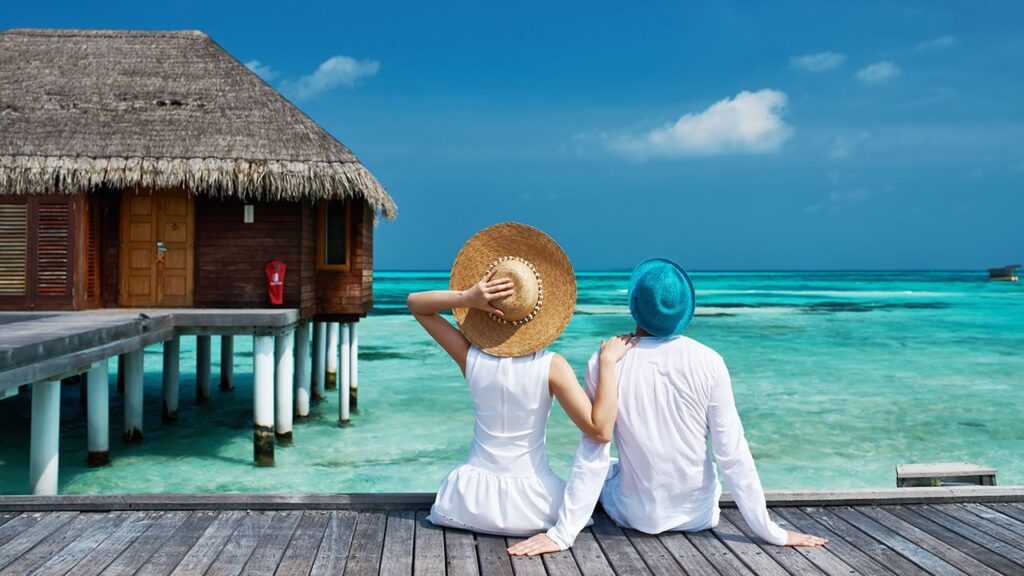
As per the Wedding Tourism Report by MRSS India in 2019, the size of the wedding market in India was estimated to be INR 110,000 crore of which nearly INR 23,438 crore accounts for destination wedding. This number was slated to double at a staggering rate to INR 45,000 crore by the end of the year 2020, growing at 25-30% per year. However, things changed dramatically post pandemic; honeymoon vacation and tours hit an all-time low. With no clue when this uncertainty will end in the near future, travel and tour operations have come to a screeching halt ever since the outbreak.
Come 2021, so what are the trends that will dominate in this space post the second wave of the pandemic? Drivable destinations are turning out to be a hot favourite among honeymoon vacationers to avoid long distance travel. The trend is driving travel and tour operators to tailor two- to three-day getaways packages to scenic hill stations, historical and adventure destinations. For a lot of couples, luxury resorts, home villas and rental properties promise a great deal of security as health and safety protocols are strictly followed. Also, honeymoon vacations that are usually full of itineraries have shrunk down to simpler and limited activities and planning for the day.
All said and done, if you’ve tied the nuptial knot, don’t rush to your favourite holiday destination, honeymoon travel can still wait.
Viceregal Lodge in Shimla
This week’s blog will cover one of Shimla’s most impressive colonial-era buildings. Located on a hilltop, it offers delightfully stunning views of the vicinity. The sight of the finely manicured lawns of the Viceregal Lodge and spectacular architecture of this magnificent structure is a throwback to the days of the colonial days.
This week’s blog will cover one of Shimla’s most impressive colonial-era buildings. Located on a hilltop, it offers delightfully stunning views of the vicinity. The sight of the finely manicured lawns of the Viceregal Lodge and spectacular architecture of this magnificent structure is a throwback to the days of the colonial days. If the stunningly rich interior is a cynosure of attention, then the defining talks that unfolded here leading up to the independence of the country will be forever etched in history.
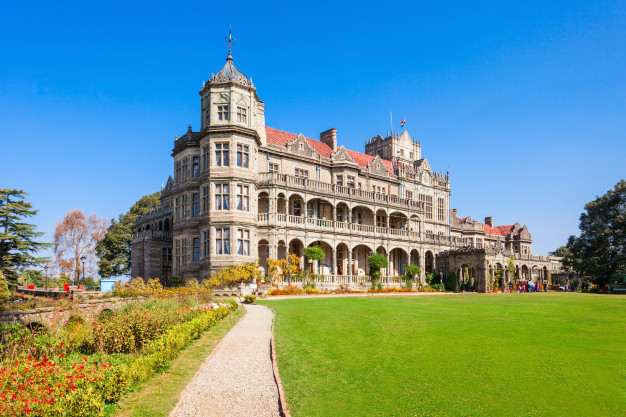
Take a stroll up nearby Prospect Hill to experience the tranquil beauty of the high lofty mountains, the second tallest in the region. Serving as a summer residence for Lord Dufferin, the Viceroy of India, the Viceregal Lodge was constructed between 1886 and 1888. It was the famous architect Henry Irwin who designed the lodge, adopting the Jacobethan style, which was constructed from local sandstone. It housed all the subsequent viceroys until independence in 1947, following which it was made into a summer palace for the country’s elite. Later in the 1960’s, it became the centre of Indian Institute of Advanced Study, and continue to remain so to this day.
The grand scale of the structure is an impressive sight. A group of high columned arches fronted by decorated balconies is a stark reminder of the finer lines of Scottish architecture. The interior of the grand old lodge is equally imposing featuring a teak-panelled main hall, a cosy guest room and an original fireplace, in addition to the unique colonial furniture. Take a look at some of the earliest photos of the British Raj, including that of Gandhiji and other historical leaders, in the library and all conference halls. The colourful gardens and the sprawling lawns surrounding the lodge are a welcome sight. You can enjoy the afternoon tea in the nearby cafeteria, as you witness the misty high-standing mountain. The lodge is open for public view every day, and is separated by 2.5 kilometres (1.5 miles) from the Shimla Mall.
How to plan a family trip during Covid-19?
Planning a family trip during COVID-19 is not without risks. Experts advise against making family trips during the pandemic. However, when planning such trips, great care has to be taken, especially with kids and senior citizens usually with low immunity levels around, to avoid direct exposure to infection. Here is how one can plan a family trip safely and enjoy the happy moments in nine essential steps.

- Check with the local laws first if you need to travel within the country or the law of the land regarding COVID-19 if you wish to travel abroad. Avoid travelling overseas as much as possible as several European and Asian countries are facing a second wave of pandemic, and consequently forced lockdowns to prevent public movement.
- Talk to your doctor regarding your family’s health and determine risk factors if any. Elderly people should talk to specialists if they’re suffering from diabetes, hypertension or blood pressure. It is important to get a clearance letter from the doctor before travel to avoid health complications.
- It’s important to understand the health risk profiles of individual members in a family before travel, and it is always a recommended practise to share the details with the family in the case of an emergency for preparedness.
- Avoid travelling to COVID-19 hotspots to avoid maximum exposure of infection. It is recommended to talk to your travel agency and get the ground details of COVID-19 of a particular touring destination including staying in quarantine, lockdown restrictions (if any), and the general rules and regulations of pandemic relief programs that apply in the region.
- Avoid over-crowed hotels and restaurants; check for a remote hotel to avoid mixing with other teams or hotel guests. Use touchless operation wherever required including contactless check-in.
- It is safe to travel in a car or cab to cover short distances than to travel by train or take a flight. As flight bookings are marked by uncertain timeliness, it is pertinent to check the booking and cancellation policies to avoid disappointments and save on unnecessary costs.
- Don’t forget to carry COVID-19 essentials such as hand sanitizer, disinfecting wipes, face masks, a thermometer, gloves, hand soap and health insurance cards.
- Plan only for outdoor activities. This is because visiting public places (not all follow safety protocols) can put you at greater risk of infection.
- And finally, it is important to keep your kids completely safe during the travel by educating them on pandemic guidelines during the tour.
How to plan a safe honeymoon trip during COVID-19?
The big fat Indian wedding season is underway, and with the COVID-19 having done the damage already this year, we’re going to see an extended summer wedding season later next year. Indian weddings are all about fun, food and frolic, and you just can’t take travel out of it. Planned honeymoon trips are very much part of the nuptial process. So how should the newlywed plan a safe and memorable honeymoon even with COVID-19 doing the rounds? Read on…

Do your homework:
Before travelling to the place, it is important for the honeymooners to know the scale of COVID-19 and existing number of cases. A reliable travel operator may know the ground situation and advice for or against travelling to a particular destination. Also, public places including historical monuments, parks, zoos, museums, palaces, forts, mausoleums, etc have been locked up from public access for the most part during the pandemic. Work with a travel agent who can help you prepare the right travel itinerary of accessible locations to stay safe throughout the trip.
Open communication:
A safe travel for honeymooners during the pandemic may require an open communication with their travel agency. It is pertinent to ask the right questions everything from travel itinerary, booking, accommodation, insurance (if required) among others. Most restaurants and hotels post lockdown relaxation have come up with offers of up to 50 percent discount as incentives for travellers. Some even offer waiver on normal fees for cancellation or postponement. The key is right communication to get as many answers you will want.
Stay local:
Travel as locally as possible to avoid exposure to virus. Embrace the familiar and don’t take chances by travelling outside of the country until the COVID is finally over. This is probably the best piece of advice for honeymooners travelling during the pandemic marked by an uncertain timeline. This said go and stay outdoors where nature is at its purest. This is to avoid mixing with the crowd and increasing your chances of getting COVID infected.
Use technology to the maximum:
Use payment apps that facilitate contactless payments. Check for hotels and restaurants that encourage the same. Furthermore hotels adopting innovative technologies including robotic cleaning, contact tracing, sanitization, and health screening are preferable compared to those that don’t.
COVID-19 and what it means for the frequent traveller
If you’re a frequent traveller or have been one pre-COVID outbreak, the feeling of tied down to home for a fairly long period should have been an excruciating experience, to say the least. For a travel freak, travel is an expression of one’s freedom, creativity and a longing to explore the unknown and cohabitate with the known. The COVID-19 has cast a dark spell upon the possibilities of travelling normally mainly due to the uncertainties surrounding the crisis, for the thrill-seeker is not withered by the storm gathering or blowing his wit away. He scales peaks, beats the rain at its game, runs towards sunlight and encourages others to follow him. He doesn’t stick to the rules of the games, and often breaks away from how it is traditionally played. He may carry the burden of travel as light as a feather, which he feels he is already part of. So how did COVID-19 affect the frequent traveller? From temperature to luggage, challenges, far too many, were flung at him at will.

The rules of travel kept changing, fuelling the feelings of despair, the last thing he’d want is a total lockdown, which will prevent him from moving out of his home, a phenomenon rife in almost every part of the world where life existed. Flights were happy to remain in the hangars until the travel ban was revoked. The anxiety levels of the frequent traveller remain unchecked as the lover may have in the longing for his beloved.
Expectations of relaxing lockdowns kept growing with every passing day though there wasn’t any respite whatsoever. The race for the first COVID-19 vaccination in the world didn’t enthuse the die-hard traveller as nothing significant emerged out of the findings. Here we go, an imminent second wave of the pandemic shattering the hopes of the traveller whether you’re a soul searcher or the frequent weekender will only extend the wait until the COVID is over.
Why Travel can be good for you post-COVID-19 lockdown?
The COVID-19 crisis has unleashed a paralysis of sorts in all spheres of life. Businesses have shut down, either temporarily or permanently, with normal life coming to a standstill and uncertainty looming in at large. Of all the business sectors, the travel and tourism industry is the worst hit sector as the general public mostly stayed indoors, advised not to step out of their homes until necessary. With a second wave of the pandemic rocking several European and Asian countries, the travel and tourism sector has to wait until a successful vaccination programme is in place. This brings us to the question: what good can travel do to the mind and body after a rather long hiatus? Though the long-term advantages of travelling can be myriad, here is how you can benefit from travelling.
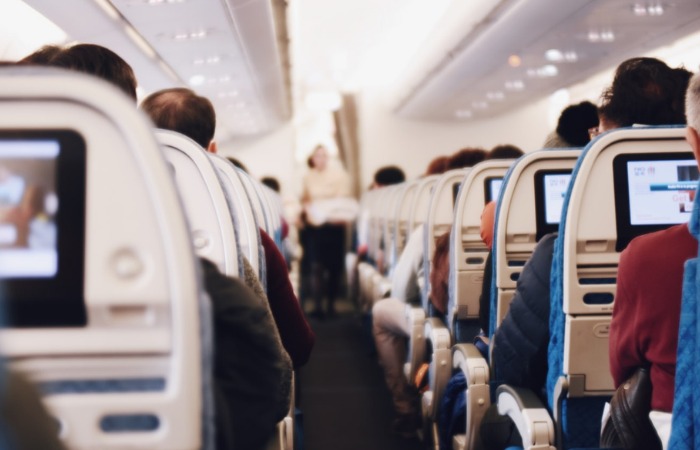
- Travel is a stress-buster. Needless to say, a bit of travel to your favourite destination will make you feel more relaxed and stay focussed on your goals and aspirations. People who don’t travel much feel the heat of life’s pressure and struggles. So get a life, travel to the known and the unknown, the familiar and the unfamiliar.
- Travel helps you to reinvent the wheel. Yes, it gives you fresh insights towards executing your most cherished goals. It can help you broaden your awareness and be open to new things. Learning different cultures through travel opens up a new realm of possibilities. Travel forces you to think independently and evaluate your own principles and values.
- Travel increases the happiness quotient, says a recent study. This basically is a result of travel killing boredom and idealness. Because travel is a shift away from the mundane and the monotonous, it essentially makes the traveller happy. The change of mood happens when the minds starts to appreciate the possibility of a new belief.
- If you want to toughen up your mental muscles and develop more adaptability and resilience in life, you need to travel…and a lot of it. Travel at times may not turn out as planned, and lot of adjustments have to be made and alternate plans charted out, especially in a new location, where finding resources can be can be next to impossible.
- Travel is a great means to enhance your cognitive abilities. For many, travel is a creative channel for responding to an entirely different situation. So, when have you planned to travel when the COVID is finally over?
