
How has COVID-19 changed religious travel and pilgrimages? – Part 2
Prior to the deadliest pandemic since the new millennium viz. the COVID-19, religious and pilgrimage travel was business big time predicted only to get bigger and better by travel industry pundits. But a storm of change hurled things off the root, and proved all industry prophecies wrong. Just before the pandemic outbreak, an estimated 600 million religious and spiritual voyages were recorded, with 40 per cent of it taking place in Europe and over half of it in different regions of Asia, whilst the annual pilgrimage to Karbala in Iraq, one of the most sacred sites for Muslims after Mecca and Medina and Jerusalem, pulled in over 25 million pilgrims.
Saudi Arabia was not without hope for the annual Hajj this year. The Hajj and Umrah pilgrimages contribute a staggering $12 billion to the Saudi economy under normal circumstances, and this is equal to 20 per cent of the country’s non-oil GDP and 7 per cent of the kingdom’s overall GDP. It is expected that the Hajj and Umrah revenue generated will hit $150bn by 2022. It started on a positive note by enhancing the travel experience for both pilgrims as well as international tourists by pumping money into transport and luxury hotels. In 2019, 1.8 million pilgrims from around the world completed the annual Hajj, whilst tens of millions arrived for the Umrah.
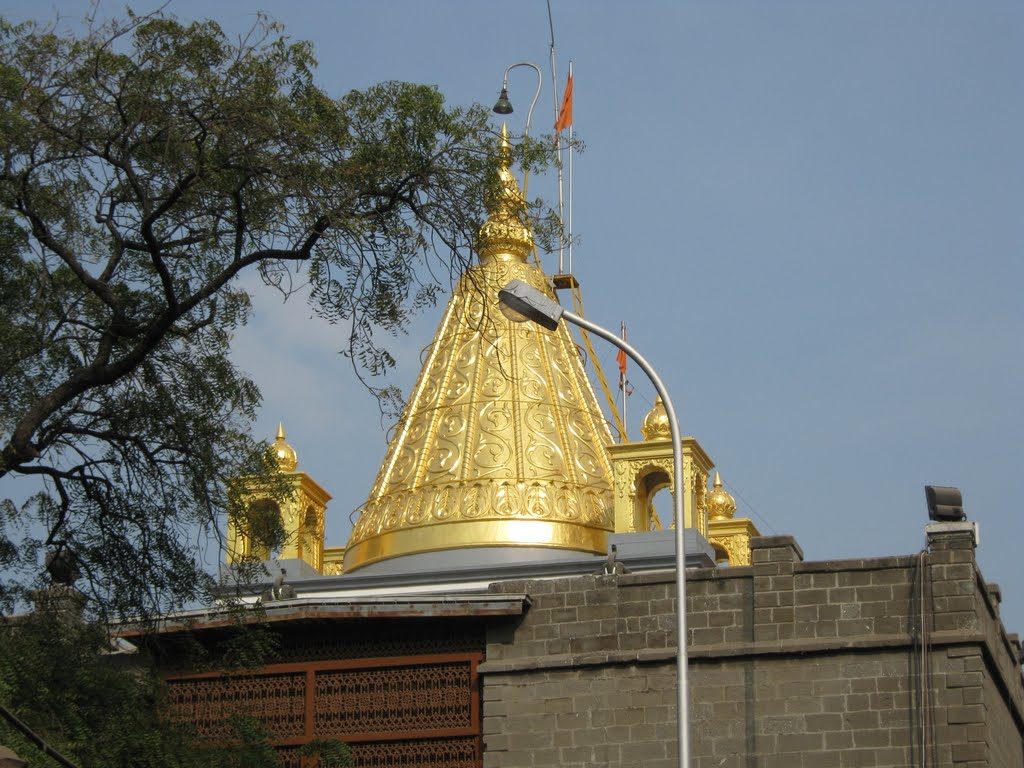
India, the land of spirituality, home to the greatest religions of the world, where people of diverse religions, communities and race have thrived with a great sense of oneness, pride and unity, had all its temples, churches and mosques closed indefinitely. It should be noted that the famous annual Amarnath Yatra that attracts thousands of Hindu devotees, scheduled to begin on June 23 and end up on August 3, on the day of Shravan Purnima had to be cancelled in an effort to curb the spread of COVID-19 in the region.
The health concerns everywhere in the world, as seen above, clearly outweigh the prospects of travelling to pilgrimage sites in the immediate future.
How has COVID-19 changed religious travel and pilgrimages? – Part 1
The spiralling effects of COVID-19 is gathering more moss as religious travel and annual pilgrimages to the holy sites of the country is severely hit with uncertainty over when it will jump back. Though the Central Government had relaxed restrictions following several months of pandemic outbreak since March early this year, the prevailing fear-stricken environment can only push things further back until the start of the next year, as most travel industry experts put it.
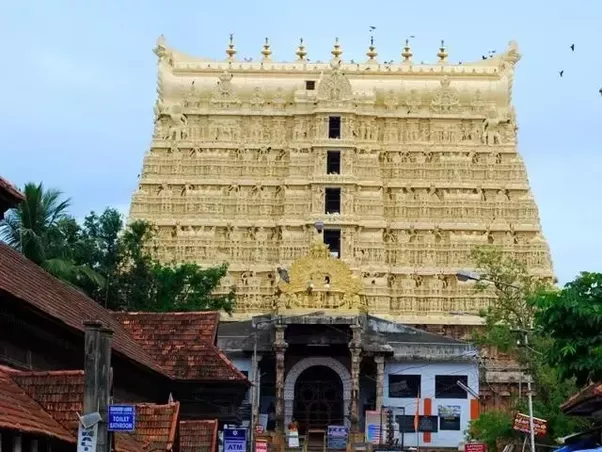
Generally mass gatherings, as we all know, in religious sites is the reason attributed to the spread of infection, and this in turn has led to almost zero travel and hotels bookings even after the relaxation of lockdown restrictions in many parts of India. COVID cases in Amristar, and closure of the Shirdi, Vaishno Devi and Tirupati temples made only matters worse. Friday prayers were called off at the Bada Imambadi in Lucknow. Even the gods have remained inaccessible for most part of the time during the lockdown. Hotel bookings and room night in several pilgrimage sites have seen an acute fall in the bookings with travellers putting off travel plans indefinitely, said hotels, OTAs and tour operators. Though the decision to close down pilgrimage sites is viewed as a welcome decision, travel and tour operators may know that they cannot be closed indefinitely. Just for the numbers, there was an aggregate decline of 80 percent in hotel bookings and room nights at pilgrimage sites between the months of January and February this year.
PayTM has stated that the company has witnessed an unprecedented 30 per cent drop in travellers touring the top ten pilgrimage sites in the country. All said and done pilgrimages to the holy sites of the world will see a fundamental change in how it is being conducted in the near future.
How has COVID-19 changed Business or Corporate Travel?- Part 3
The third part of the blog gets more interesting as we discuss another key parameter that will have a huge bearing on the how business or corporate travel will be conducted in the near future. Did we mention safety hygiene? Hygiene, both personal and communal, and in everything we do, has turned out to be a life-saving virtue throughout the pandemic, in addition to maintaining social distancing and equipping ourselves with a proper safety gear. Not surprisingly, customers will display a greater sense of loyalty towards hotel and restaurant brands that practise hygiene religiously, in line with the already existing safety standards and protocols.
Duty-of-care policy:
Now, if you are a corporate or business travel manager, you are in for a spot of bother. The duty-of-care policy adopted by a company is traditionally a documentation of the safety protocols required to protect the welfare and well-being of the employees and staff during business travel. The company has a moral responsibility to safeguard their employees against COVID-19 and other impending virus infections in the future via the duty-of-care policy, and more importantly ensure the employees are fully compliant with the guidelines prescribed.
The travel manager, therefore, has to ensure that majorly hygiene does the talking in the selection of travel vendors including hotels, restaurants , cabs, etc. No longer will cost control alone dictate terms in the selection criteria, but also safety, in addition to other factors such as risk assessment and compliance. It goes without saying that traveller safety, along with comfort, can directly impact productivity at the end of the day. This also includes avoiding travelling in jam-packed planes and overcrowded airports. The firm should also guarantee medical response and security of the employee in the wake of an emergency, well aware of the potential risks. All said and done these are tough times if you are a business owner, and both caution and care must be exercised in order to protect the safety interests of your travelling employees.
How has COVID-19 changed Business or Corporate Travel?- Part 2
Most travel management pundits predict that domestic travel will pick up faster than international travel, although this small rate of increase will be triggered only by the current economic situation. It is seen that domestic travel had recovered fully in two to three years in the previous economic slumpdown. Most businesses are expecting air travel to normalize, and this is evident from the increasing air travel bookings in the US, the most severely pandemic-hit country, in the period between June and July.
There are many mid-and senior-level executives in several corporate companies, particularly in the area of travel, finance and entertainment, who feel that business travel will resume no sooner than lockdown restrictions are relaxed, as Zoom meeting, and other virtual conferencing tools aren’t just good enough where human touch is of utmost essence. Mergers and acquisition, worth billions of dollars, are at stake and to set them in motion, requires more than meeting the eyes with clients, colleagues, investors and project sponsors. Logistics are very much in the scheme of things if key corporate events have to be conducted offline. Virtual summits, as most industry experts put it, are clearly rudderless without personalized call-to-action. There are many companies that have hired travel managers, and expecting the shutdown restrictions to be lifted to resume business travel. Amongst those who will be the first to hit the road include management consultants and VCs expected to revive the fortunes of the companies hit by pandemic-caused recession.
Corporate travel is slated to rebound at least by 50 percent same time next year, but conferences, industry summits, meet-ups and conventions may require more time to jump back than one may expect. It is to be noted that business or ‘bleisure’ travellers, as they are called due to the combination of business and leisure contribute the most to the travel sector as historically they have never been price-sensitive unlike leisure travellers. This seemingly justified optimism could even raise hotel rates and airfares in the same period.
How has COVID-19 changed Business or Corporate Travel?- Part 1
The devastating effects of COVID-19 have stalled business operations worldwide. Industrial operations have come to a standstill, and there really seems to be no respite for business owners as such. The travel industry has been grinded to a halt with lockdown after lockdowns in place, though they cannot be maintained indefinitely. While the pandemic is not yet over, most corporate employees have been asked to work from home and hold meetings virtually. As a result, corporate travel, which includes planning a business trip, conducting a corporate event, or other related activities for the corporate traveller, has been severely hit.
How do the current T & E numbers stand?
The Global Business Travel Association (GBTA) published a report that 98 percent of its member companies had put off international business trips, and 92 percent cancelled all or most domestic trips. However, the survey conducted during the month of Month later had it that more than 50 percent of its respondents had wanted to resume travel in the coming months. These numbers shouldn’t actually surprise you, given the gravity of business travel activities. Furthermore, Certify, a leading T & E report management solution provider, estimates that 445 million business trips happen every year, valued at around $251 billion. GBTA estimates the same to be around $345 billion for T&E.
An Oxford Economics study puts it that every dollar invested in business can generate as much as $12.50 back in revenue. If you put it all together, the corporate firms are losing revenue big time, as well as the travel tour operators, agencies and the travel management companies (TMCs) owing to the travel ban in the prevailing pandemic situation.
Another survey conducted by Oliver Wyman has it that about three-quarters of business travellers expect to travel in the same frequency or even more post-pandemic, due to resurgence in economic activity, comparatively low travel costs with the easing of lockdown, and pent-up demand after hosting virtual meetings for several months. Even after lockdown is over, and when business will eventually pick up, business travellers will think twice before travelling internationally to stay away from infection. Let’s see how travel business travel will look up post COVID-19 situation in the subsequent blogs.
Tourism sector is key to revival of Indian Economy: From the founder’s desk – Part 2
Now, let us view the scenario from another angle employment. The central tourism ministry mentions that tourism, either directly or indirectly, accounts for the employment of almost 90 million people. Add to this the 100 million-odd people who are employed in the travel sector and you can understand its significance. Now here’s the bad news: 20 million jobs can be put to immediate risk if the travel sector fails to come out of this dire situation, while some experts estimate it a notch higher at 50 million.
Kerala, as discussed in the previous blog, churned out INR 28,000 crore from foreign and domestic tourism in 2018. Tourism contributed to a quarter of the state’s employment figures. The same rings true for Kashmir, Sikkim, Goa and Rajasthan. Not to mention Tamilnadu (that is manufacturing-focussed) and Uttar Pradesh (mainly an agrarian economy) depending on tourism for revenue. The two added up to more than a third of India’s total tourist visits in 2018.
This is the story in most states that are dependent upon the travel sector. As for Kerala, the current situation can prove havoc for specific regions and districts. And Kashmir, Uttarakand, Bihar and Rajasthan are no different as per some ground reports. Reports show that 95 per cent of hotels and guest stays, and almost 80 per cent of tour operators are closed temporarily citing losses. Needless to say, more number of people will be actually affected by the ongoing economic crunch fuelled by lockdown after lockdowns than the pandemic.
There have been several unsuccessful attempts in the past to kick-start tourism, thanks to the growing COVID-19 cases in most states of India. I feel there has to be an integrated effort at the policy-making level both by the Central and state governments as well as by the stakeholders and industry participants to revisit the long-term perks of reviving the travel and tourism sector. The sector has to be viewed as an integral part of the bigger economic and social ecosystem. All said and done I admit that there are few man-made complications that hamper the mobility of people and transport system. We will continue our musings in the next part of the blog series.
Tourism sector is key to revival of Indian Economy: From the founder’s desk – Part 1
Someone asked me the other day if travel is really that important when people are literally scared to venture outside of their homes. The argument basically revolved around the point that key industrial sectors including manufacturing, construction, education and agriculture are awaiting impatiently for a revival of sorts so as to stabilize the economy. But the fact remains that the travel and tourism sector which has contributed substantially to the country’s GDP and job generation cannot be easily discounted. Just for the numbers, the tourism value chain contributes upwards of 9 per cent to the country’s GDP. For a $3 trillion economy, it accounts for a massive $270 billion. The numbers can be higher if we include the demand for food and beverage, fuel as well as how the manufacturing (auto and aviation) and services (construction, real estate and logistics) are impacted. A fourth of this can be stripped of if we fail to implement the right steps now. For instance, almost 12 per cent of Kerala’s GDP is through tourism revenue. A dozen states in India depend largely on tourist cash.
I do agree that people simply don’t have the cover to spend on travel and luxury, but if you take the broader spectrum of things, the time is ripe to restart tourism, given its compound effect on the jobs, economy and people, both psychologically and socially.
If people decide to take short vacations, they can break the ominously threatening viral chains on the economy, serving as the vehicles of growth for the post COVID-19 pandemic recovery phase. If physical barriers are traversed, they can undo restrictions on the movement of labour. This can revitalize factories, considered imperative in the fight against the virus. More on this in the subsequent blog.
Health safety protocols for Tour Operators
A growing travel trend that is fast catching up post-COVI9-19 is private trips and hotel stay and experience that puts isolation above everything else. For those who cannot afford to buy such experiences, travel and tour operators are coming up with novel ways, in addition to the usual social distancing and advanced cleaning and hygiene procedures, that are actually much safer than you imagine. This said it is important that guests, suppliers and staff follow the strict guidelines and modalities as laid down in the COVID-19 safety guidelines.
Group travel when done right actually offers travellers with their own bubble, where they can relax and leave the rest to their guide. Emperor Traveline is a trusted travel brand, and that is the biggest advantage in this new world gripped by the COVID-19 marked by stringent safety and hygiene standards. We offer great assurance for our customers and the pandemic proved to be an opportunity to differentiate ourselves from the rest. We have also developed COVID-19 health and sanitizing guidelines to show that we are compliant.
Guidelines are in place for social distancing, staff training on sanitization and the use of hand sanitizer and masks by guests and staff. We also oversee the safety and health practises of restaurants, hotels and other suppliers to assure our customers that they are fully compliant with the protocols and all local health regulations. We developed these guidelines in collaboration with member companies and build upon our resources and standards from the WHO, IMRC, CDC and protocols of the state government.
We have had an open eyes and ears to the growing concerns of our customers on the health and safety guidelines for tour and travel post-pandemic. With the support of our member organizations and partners, we ensure our customers a safe and secure travel in compliance with the safety policies and all local health rules.
Travel Industry will reach pre-pandemic levels by 2023 – Part 2
The travel industry is witnessing a new low, with the major reason being extremely low fares in the country, approximately 50% of the global average maintenance cost. It is widely expected that the government will lower the tax on ATF or at least introduce GST into it, and also bring down the airport fees as something that will revive the fortunes of the sector.
The logistics industry had performed well, particularly air cargo. However, the pandemic has affected the cargo movement too. The government is likely to remove bottlenecks such as the tax on fuels which is also expected in the case of aviation. But perhaps the best lesson that the pandemic has had for businesses, big or small, is the adoption of digital technology and how they can use it to scale up the existing capacity.
Businesses that are short of resources and revenues must know to how to give the best response to unpredictable market conditions. Economy of operational costs and optimizing efficiency is the key to running enterprises, and only technology can make it happen.
The crisis has also transformed the way work is done. ‘Work from home’ or ‘WFH’ is the ‘new normal’ offering the freedom to hire bright talents from anywhere globally. This also means reduced headcount whilst offering a better work-life balance. It is a helpful step towards facilitating greater participation of the fairer sex as well as the social inclusion of the differentiately abled.
Kerala, for instance, one of the most important tourist destinations in India, is also a growing IT powerhouse that can drive global business transformation and business process management in the travel and hospitality sector. The state is also looking to upgrade its higher education capacity by encouraging teachers to upskill their knowledge and universities to foster digital transformation in the administration area.
Travel Industry will reach pre-pandemic levels by 2023 – Part 1
The world has been reeling down under the weight of COVID-19 or the Novel Corona Virus, as businesses struggle to pick up post-outbreak of the deadly pandemic crisis. The travel and hospitality sector by far has been the worst hit sector. Experts opine that for the travel sector to revive its fortunes, it should put technology at the heart of operation. And rightly so, other industry sectors have started innovating in novel ways hitherto never seen. Experimentation at the technological front is already paying rich dividends.
The travel industry devastated by the spiraling effects of COVID-19 will see a revival mode in 2021, and expected to achieve the pre-pandemic crisis level by 2023 with more flights in action.
It is estimated that the travel industry and aviation sector will shrink by 25% and 50% respectively in 2020 to grow steadily by 2021, and hit the pre-crisis level by 2023. The aviation sector worldwide suffered over 20% during the month of May which further declined to 80% in June. Many experts expect world aviation to improve by 30% to 35% in July going by the recent numbers; however, there is a big concern of more than 10 major countries including the US being badly hit.
The US had pumped $50 billion into the global aviation industry, as a bail-out package, while England and Japan had offered about 20% of their GDP. All said and done, India has failed to rise up to its full potential with Air India, one of the major Indian air carriers, facing the heat. So, what is the road ahead? We will continue our discussion in the subsequent blog.
