Travel will live on….From the founder’s desk of Emperor Traveline – Part 1
I wrote a blog previously on a world without travel, and the response I received from the users made me write a sequel to it. There were many I would call them pessimists during the ongoing COVID-19 lockdown who asked me if the travel industry would ever survive after taking so many punches left, right and centre. I would still say, perhaps even more vociferously than before, that the best is yet to come. Patience holds the key to unlocking the revival of the industry within. Yes, let me repeat, within. What lies ahead lies in how the travel industry will shape itself in the days to come.
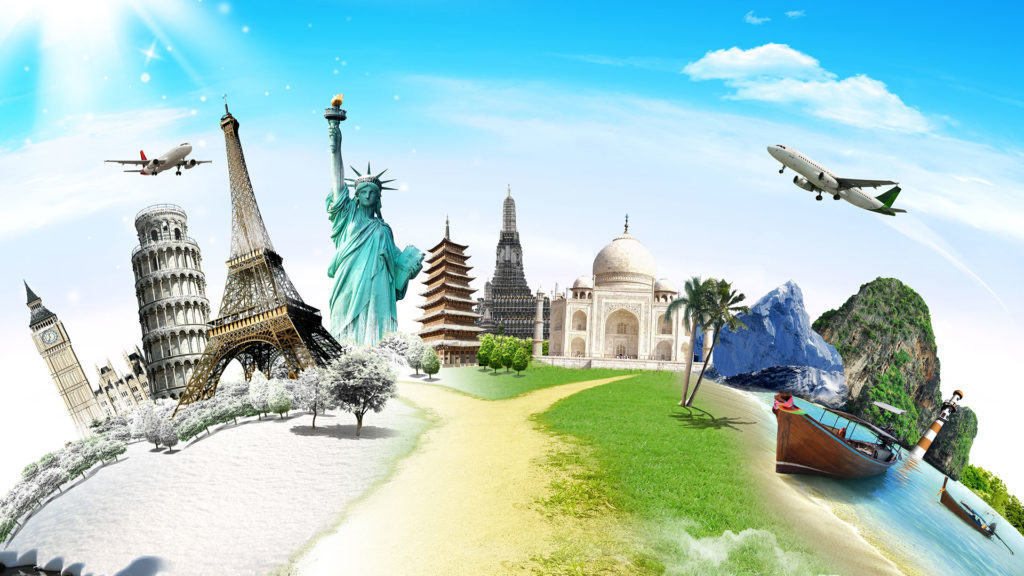
Technology, for instance, can play such a huge role in turning the tables on. Now, ask me how. There will be a paradigm shift to touchless or contactless travel and a new health safety regime, backed by digital tools will emerge for the safety of the travelers.
Say even if borders reopen, travelers must have full confidence that boarding a plane is absolutely safe and that they will make it to the destination without any hassle. New health safety protocols aided by innovative system needs to be configured in places, though these are yet to be defined. As governments and industry brace themselves to adapt to this fundamental shift in traveller behaviour, the use of biometric and digital identity technology will prove to be indispensible. Only this can restore and instill a sense of confidence whilst also ensuring travellers experience a seamless journey.
All said and done, effectiveness is felt only if the user data is protected. Privacy, data transparency governance and consent may go a long way in ensuring the digital transformation of travel industry is seamless.
Don’t go away; there is more to come. But that’s for another day. Until then, stay indoors and stay safe.
What are the ways by which the travel sector can revive its prospects post COVID-19 pandemic?
The world has been reeling down under the deadly effects of COVID-19 or Corona virus. Lives lost, hopes shattered, jobs axed and businesses in the doldrums, the world is going through the motions. The travel sector, of all business sectors, has taken the most punches left, right and centre. And it seems as if there will be no respite from it. But there are ways by which travel sector can revive itself and emerge stronger.

The need of the hour is a standard travel policy to facilitate travel by air, sea or road. It is imperative that travellers and tourists follow the guidelines and travel policies religiously to safeguard themselves from the effects of COVID-19 in future. The guidelines must cover social distancing, hygiene and protocol followed in public places such as airports, railway stations, bus stops, travel booking and support centres, etc.
Next comes hygiene, the protocol must stress the importance of hygiene as only proper personal and public hygiene, in addition to cleanliness can keep COVID-19 and other infections at bay. Is wearing a face mask essential at all times? Should travellers carry hand sanitizers with them? What should the COVID-19 travel kit contain? What are the safety and precautionary medical tests that will be in place at public places? What are the medical tests that the traveller has to undergo to ensure travel permit? What are the documents that are required for travel permit from a COVID-19 perspective? Do kids require special permit to travel? If so, what are the regulations that will be in place? These are some of the questions and more that the travel policy should encompass for future travel prospects post COVID-19 crisis.
Finally, what are the safety and hygiene standards to be followed by hotels and restaurants? What are the standards to be adopted by the hotel staff and employees? What are the standards to be followed in the commercial kitchen of hotels and restaurants? Does the hotel or the restaurant need to adopt takeaway as a mandatory feature and more. Online/Mobile booking and digital payment modes must be promoted by the Government for public to stay away from infection.
The Vivekananda Rock Memorial in Kanyakumari
If you are in Kanyakumari or Cape Comorin, the lovely scenic coastal town in TamilNadu on India’s southernmost tip, you get to visit the world-famous Vivekananda Rock Memorial, considered to be one of the country’s most sacred rock monuments. The Vivekananda Rock Memorial or the Vivekananda Mandapam has a grand structure and an impressive entrance that would remind one of Sri Ramakrishna Temple of Belur. The only way to reach the Vivekananda Mandapam is to use the ferry service operated by the Tamil Nadu Department of Tourism which provides leisure Cruises into the sea at affordable charges.
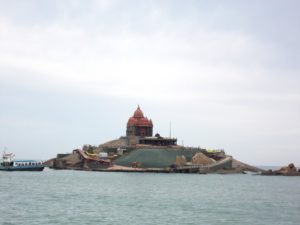
The Vivekananda Rock Memorial is built on the top of two rocks that are about 500 metres off the island. It was constructed in 1970 by the Vivekananda Rock Memorial Committee to honour the visit of the great spiritual sage and philosopher Swami Vivekananda to Shripada Parai on December 24 1892, prior to his taking part in the 1893 ‘World Religious Conference’ in Chicago. It is said that he did intense spiritual meditation on the rock for two days to attain enlightenment.
The infinite love for the motherland made Vivekananda, the greatest patriot monk ever, tour all over the country. His three-day meditation on the mid-sea rock or Vivekananda Paarai proved a turning point in his life, for it is here he contemplated on the past, present and future of the country, and put forth the idea of the glorious Bharatvarsha. Later, Vivekananda became the country’s most illustrious Hindu spiritual reformer and philosopher.

The Vivekananda Rock Memorial houses two main structures namely Vivekananda Mandapam and Shripada Mandapam, turning out to be small coastal town’s main attraction. It was the late Eknath Ramkrishna Ranade, the social activist and leader, who mobilized support in the construction of the rock memorial that today is an embodiment of India’s rich cultural ethos and values. The Vivekananda Rock is generally open to the public on all days and draws tourists in large numbers every day. This place is also known as Best Road trip in South India, Where we could see a lot of tourists coming in bikes & cars just to explore the Ocean views.
Best Sightseeing in Horsley Hills | Tourist attractions
Horsley Hills, located at the southwestern border of Andra Pradesh and Karnataka is called the “Andra Ooty” for the salubrious climate that enhances the senses. The panoramic views and pleasant climate with its rich flora and fauna make it one of the most visited places by tourists from all over India. Its rich deciduous forest comprises trees like Eucalyptus, Mahogany, Silver Oak, Gulmohar, Allamanda, Red Sanders, and Sandalwood. It also has a vast area covered by coffee.

The thick forest is also home to a variety of wild animals and birds like panthers, sambar deer, wild boars, porcupines, antelopes, and bears. The availability of ample water resources makes it a frequently visited spot for several migratory birds like the red-throated flycatcher, blue-headed rock thrush, and the great Indian bustard. The encompassing tranquility, refreshing aroma of the eucalyptus trees, and the songs of the exotic birds take you to nature’s lap and soothe your tired mind.
Several other sightseeing attractions wait to be explored by tourists of Horsley Hills Andhra Pradesh, also look at the Best Road trips in South India.
1. Environmental park:
The park is a green oasis embarking several rare trees, coffee plants, a crocodile preserve, a nature study center, and a zoo. The most awesome wonder is Lake Mansarovar next to the environmental center. There is a museum that also exhibits wildlife videos in addition to the library.
2. View Point:
Horsley Hills has the highest point that displays a spectacular view of hillocks, terrain, lakes, and all the forests below. The top attraction is to view the beautiful sunset from this point of the hill.
3. Lake Gangotri and Lake Mansarovar:
These lakes are situated at the entrance of the hills. The study center is located next to Lake Mansarovar offering a stunning view.
4. Kalyani tree:
It is a 149-year-old Eucalyptus tree named Kalyani. It was planted by WH Horsley in the year 1859 and it is a must-see.
5. Thimmamma Marimmanu Banyan Tree:
Horsley Hill’s Banyan Tree is the world’s largest banyan tree located near Horsley Hills. It holds the Guinness Record for the world’s biggest banyan tree.
6. Gali Bandalu:

It is a rocky slope made of a single rock. It is called the windy rock as the wind keeps blowing all through the day. It is at a distance of 1km from Horsley Hills bus depot.
7. Adventure sports:
In addition to all the wonderful tourist spots inspired by nature, there are several adventure activities like trekking, rope sliding, zorbing, and rappelling. Some high rope activities include rope sliding, horizontal ladder, cobweb, Burma Bridge, and earth quake. Other sports include archery, trampoline, and shooting. A swimming pool is located amidst the scenic landscape and it is open for tourists from morning until 6 pm in the evening.
h
h
Many famous temples are located close by and are suitable for a traveler on a religious tour. The place holds the charm year-round and accommodations are affordable with a complimentary breakfast. Delicious lunch buffets are reasonable and enjoyable. Music and campfire are set on request with an additional cost. All that matters is for you to carry adequate money as there are no ATMs available on the hills.