
A dream ride into the hills of Ooty – The Nilgiri Mountain Railways’ (NMR) Toy Train – Part 2
Ooty had been an unchartered territory until 1820 and it had inconsistent boundaries of forest terrain. It is said that Ooty was an accidental find by the British who found the place to be stunningly beautiful and the weather to be clement throughout the year. Thus, they gave birth to a hill station that boasted eternal beauty and charm. The then district collector John Sullivan at once decided to transform it into a lovely hill station in the 1820s and founded Ooty, building two stone-houses one, Kal Bangla, which turned out to be the official residence of the Principal of the Government Arts College and was given a new makeover.
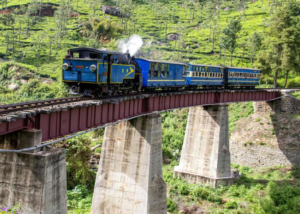 A railway line was first commenced in 1854 but it took no less than 40 years to get it done. In 1873, the train to Coimbatore underwent extension up till Mettupalayam and one has to take the ghat road before the laying of the tracks. The NMR, now the lifeline of Ooty’s economy, became world heritage in 2005. The rail-trails cover various activities including trekking along the railway tracks, exploring tunnels and viewing how the signal-systems work and other milestones.
The Nilgiri Mountain Railway makes its way through plains for the first 5 miles. In the next 12, it makes an ascend spectacularly up to 4363 ft passing through nine tunnels, lending you splendid views of the eastern slopes of Ooty. You can take non-stop selfies and photo-ops, moving to the left. A mystifying spectacle beholds you when the train hustles and whistles though Wellington, Coonoor, Lovedale and stops near the Ooty Lake.
Other attractions include the longest rail bridge across River Bhavani near the Mettupalayam station, Coonoor station (built-in stone), Fernhill station (now closed and made ‘rest’ guesthouse), track/tunnel-walk through tunnel no. 16 that is 4-km long and unique masonry or rock-cut tunnels. The toy train featured in the 1984 David Lean-directed ‘A Passage to India’ movie. At least three chief ministers of South India have had their movie songs shot here. As there’s no pantry car on the train, you need to carry your own food while traveling. There’s a tree planted at the Government Arts College compound by Sullivan which you can add to your sightseeing bucket list.
A dream ride into the hills of Ooty – “The Nilgiri Mountain Railways” (NMR) Toy Train – Part 1
If you’re looking for the ride of a lifetime, then the Nilgiri Mountain Railways (NMR) Toy Train is a must-try experience for memories to cherish on and on, whether you find yourself on the celebrated toy train or at the Fernhill station.
This almost 5-hour long travel up and down a scenic route is packed with unbridled romance, relaxation, adventure, exotic trails and turns, nature and some adrenalin booster material.
Get onboard the Nilgiri Mountain Railways’ toy train that would take you down the memory lane where the most recently included compartment is just 50 years old, and the oldest is about 80 years! The good times will cease to fade out even if the train happens to break down in the middle of the trip. And don’t grouse even if it does so as you will get some extra time to enjoy the picturesque settings including misty valleys, mountains, forests, tiny falls, and the cool weather. When the train inches up between 1069 and 7228 ft, you may get down out of it to surprise your loved one with flowers, view the big tusker staring at you from a distance, capture a lovely Hoopoe in flight, wonder about the deep gorge shrouded in darkness, or shout at the top of your voice every time the train passes through the dark tunnel. Its charm is unparalleled the train has been huffing and puffing through the valley since 1899 originally from Mettupalayam to Coonoor, and from Fernhill to Nilgiris since 1908 it’s a unique journey across 250 bridges and through 16 tunnels. Most of them have been re-constructed except the Breeks Memorial School whose heritage features have been preserved to a nicety.
Although the NMR has stood the test of times, many stops en route to Ooty have now become ghost stations. A few structures are strewn with flora and are eroding fast. They have become inaccessible due to wild animals prowling nearby. The train, however, hasn’t changed the way since Swiss inventor Riggenbach had originally engineered it. It still sports the original yellow and blue color and has bench-seats without any cushioning in an era of comfort and luxury. With the train’s coaches remaining open, there are no curtains, glass or even windows!
Everything you need know about the Meiji-jingu Shrine in Tokyo
- The Meiji-Jingu Shrine in Tokyo, the capital city of Japan, is enveloped by lush green woods located right in the heart of the city.
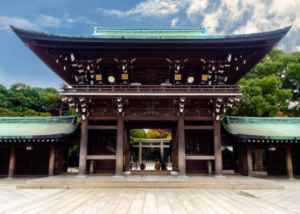
- The Shinto grand shrine is built in the memory of Emperor Meiji (1852-1912) and Empress Shoken, first emperor and empress of modern-day Japan.
- You can well put Meiji-Jingu at the top of your bucket list, in addition to visiting the busy Shibuya or Harajuku with a calm walk down the well-trodden pathway to the front gate of the shrine.
- Major attractions include the Treasure House filled with royal artifacts and antiques of the past; the traditional Inner Garden, a spiritual spot and the Spring Grand Festival of the shrine held during April – May.
- Come 2020, the shrine will commemorate its 100th anniversary, just before the Tokyo Olympics.
- You can find over 1,20,000 trees in the forest bordering the Meiji Jingu and Yoyogi Park. They cover a range of different species, which came as donations from all over the country.
- You can find English signage all over the place to help you take part in traditional Shinto rituals including giving offerings and doing prayers at the main hall, writing down your wishes on an ema amulet, and picking a protective charm or fortune.
- There are the iris gardens which were a favorite spot among emperors and empresses, and this tells you why Meiji-Jingu was constructed here.
- Although the garden involves an entrance fee, it’s well maintained comprising a lovely labyrinth of picturesque forest walks, traditional iris flowerbeds and there is that ritual Japanese tea house too.
- Kiyomasa’s Well got its name after the military general who dug it 400 years ago. Today, it is regarded by many as a ‘power spot’, a site visited by people to receive positive vibes and healing energy.
- The Meiji-Jingu Shrine grounds are a host to several festivals all along the year including Nikku-sai beginning on New Year, considered a ritual of good fortune, concluding as Joya-sai or ‘end-of-the-year-ritual’ on December 31st. The Spring Grand Festival is celebrated during April-May. Not to mention the traditional Shinto weddings happening during the same period, food fairs, modern fests, and traditional music and cultural performances.
To Visit Meiji-Jingu Shrine in Tokyo contact Emperor Traveline for Cost-Effective Tour Package.
All you need to know about the Shitennō-ji Temple in Osaka, Japan
- If you visit the Tennoji area, you shouldn’t miss out on seeing the Shitenno-Ji Temple at Tennoji-Koen Park in Osaka.
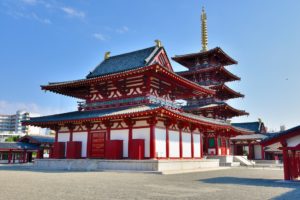
- Though the concrete reconstructions may present a different story altogether, this Buddhist temple is one of the oldest in the country.
- If you’re looking to revive your spiritual vibes, then the Shitenno-Ji Temple is the place to be.
- This temple, which dates back to 593AD, lies a tad north-east of JR Tennoji Station and nearby the Shitennoji-Mae Yuhigaoka Station on the Tanimachi subway line.
- The temple underwent concrete reconstructions after it was ravaged by the wars.
- All said it is still a quaint place to hang out and establish spiritual connect with the divine power.
- There’s a lot that this place has to offer. You can view the outer temple grounds, besides the inner precincts that house a lovely garden, a pagoda, and a treasure house.
- The design of the garden was inspired by the description of Amitabha, identified as the Buddha of the Western Paradise, and differs strikingly from the urban landscape of Osaka.
- It is stunningly beautiful and worth every cent visiting the place during spring when the entire cherry blossom flutter to the cool breeze. The rest of Tennoji-Koen park is also a visual treat.
- If you’re someone who loves trying your luck out in antique fair or flea markets, then you are in the right place!
- Shitenno-Ji puts up large antique fairs or flea markets on the 21st and 22nd of every month and houses about 300 stalls selling pre-loved antiques, clothes, old kimonos, and handicrafts. If you’re hooked to something old or antique, you won’t be disappointed here. You can go for some takoyaki and immerse yourself in the usually vivacious atmosphere here.
Everything you need to know about Waikiki in Honululu, USA
- In the bygone days of the Hawaiian Monarchy and before, the Hawaiian Royalty was maintaining beach house along the narrow, gently sloping strip of beach on Oahu called the Waikiki or Spouting Water.

- However, most part of the land was marsh and wetlands were flooding often when heavy rains hit the Manoa and Palolo streams. It was only in the 1920s when the Ala Wai Canal was subjected to dredging and the ponds, springs, and marshes made up what is today’s Waikiki.
- Only a few would realize that the Waikiki we see today is originally a peninsula jutting out from Kapi’olani Park located on the east end of Waikiki with the Kuhio Beach Park and Waikiki residential neighborhood on the far side.
- Waikiki is about two miles in length and a little over a half-mile where it is the widest. Waikiki is surrounded by the Kapiʻolani Park and Diamond Head Crater on the south-eastern side.
- Waikiki Beach is popular the world over as it is the most filmed beach. It has nine separately named beaches that run along the two miles from Kahanamoku Beach nearby the Hawaiian village of Hilton to the Outrigger Canoe Club Beach close to the foot of Diamond Head.
- The beach that you see today is almost artificial, as in order to avoid erosion new sand has been put in place.
- If you want to share a few private moments, then Waikiki Beach is not the one for you it is undoubtedly one of the crowded beaches you can get to see.
- Waikiki Beach is a popular beach for surfing sport, dining and entertainment. There are over 100 lodges with more than 30,000 units. These include about 60 hotels and 25 condominium hotels.
- Other attractions include the Diamond Head, the Honolulu Zoo and Waikiki Aquarium.
All about the Rotary Convention 2020 in Honolulu
Honolulu, the largest city of the U.S. state of Hawaii in the USA, will play host to the Rotary International Convention 2020 where people from all across the world will convene to connect, collaborate and celebrate for a better tomorrow. The convention begins on 30th May 2020 and ends on 12th June 2020. It is the place to be if you need to hear out world leaders, eminent personalities and philanthropists speak on several thought-provoking topics, in-depth seminars, panel discussions, workshops and more.
 The House of Friendship is an interesting place where the Rotary world gathers to share tips, ideas and project successes.
The House of Friendship is a special place where the Rotary world comes together to share ideas, tips, and project successes. Here the office bearers from various nations, districts, and clubs display their projects. Rotary-licensed merchandise such as banners, shirts, and pins are available for sales. Participants can also meet rotary staff to know more on their various services and programs.
Honolulu offers you some exotic touring destinations including Diamond Head, the only royal palace in the US; Iolani Palace; Bishop Museum and Luau of Hawaii and exciting activities such as building sandcastles on Waikiki Beach; snorkeling with stunning fish; participating in Hawaii Luau musical and cultural fest; observing the traditional dance, hula, and mele, or song; tasting the different local cuisines and exploring the different adventure sports and leisure activities the island has to offer or viewing the state’s biggest collection of Hawaiian artifacts.
In addition to the touring Rotary Convention in Honolulu, Emperor Traveline is organizing a trip that will cover the important cities of Japan, Tokyo, Kyoto, Osaka, and Honolulu. The trip operated from Chennai is from the 30th of May to 12th June 2020. Find your own unique experience with Emperor Traveline’s trip to Honululu and major cities in Japan.
Discover Japan’s New Golden Route with Emperor Traveline
If you’re a first-time traveller who wanted to experience the multitude of fabulous sights that Japan, the land of the rising sun, has to offer, then the New Golden Route of Japan is all you can ask for. The Golden Route of Japan runs from the capital city of Tokyo and Kyoto taking through bustling cities, ancient historic sites and quaint, scenic destinations. Following this truly fabulous route is nothing short of the holiday of a lifetime as it supposedly promises travellers. Here is all you need to make the perfect plan for the Golden Route Japan trip.
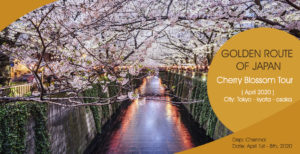 It is recommended to spend at least 10 days to 2 weeks to discover some exotic destinations on the trip. But if time is of the essence, you can afford to spend one week and skip a few places by the way and visit the top destinations alone. But that would be just like, kind of hustling a little bit. The best time to make the Golden Route of Japan trip is between April and May, especially when the cherry blossoms flutter and the temperature is nice and warm.
The old Tokaido road which links the city of Tokyo and Kyoto is several centuries old used by samurais, merchants and pilgrims to move from city to the next. Today it’s one of the most popular touring destinations. The Golden Route of Japan covers some of the best exotic sites including Greater Tokyo Area; Mount Fuji, a UNESCO World Heritage Site; mountainous area of Hakone; temple city of Nara; Osaka, the third-largest city of Japan and Kyoto, the cultural centre of the country. The trip, if properly planned, should help you visit the hot springs of Hakone and Kyoto’s geisha district among several other touring attractions.
Emperor Traveline provides you with an excellent opportunity to tour Japan’s New Golden Route from the 1st of April to 8th April 2020 with All Nippon Airways (ANA) scheduled to leave from Chennai. Hurry, as the seats are fast filling!
Five Reasons To Visit Kodaikanal in Tamil Nadu this Monsoon!
Monsoon has its own charm and magic, and there is everyone reason why should take a trip to the picturesque hill station of Kodaikanal in Tamilnadu. Kodaikanal, with its over-flowing beauty, is nature’s gift to man. Therefore, if nature is your thing, then Kodaikanal lies right in the lap of nature and clouds. Many of these places go green during monsoon and look out–of–the–world. The scorching summer heat gives way to balmy and chilling breezes and cool showers that will make you enjoy the charming tourist haven: obviously, the best time to travel! Here are 5 good reasons why Kodaikanal will be a great place to hit this summer
1.The perfect weather:
Only very few hill stations in India come close to Kodaikanal in terms of the salubrious climate all around the year. The monsoon is characterised by temperature level between 10 and 18 degree C – just what you require for going around, putting your feet up or just going blah!
2.Break-taking views:
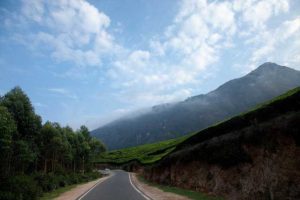
Kodaikanal dubbed the “Princess of Hill Stations”, is snugly nestled on a plateau and is enveloped by views of hair-raising hills and valleys. If you like to hug the landscapes of cloudy skies and deep valleys, then Kodaikanal is just the place for you.
3.The forgotten history:
Kodaikanal has been long one of the most popular summer resorts in the country. In the 19th century, although the plains went through tropical diseases, Kodaikanal was still a welcome gateway.
4.The Pine Forests:
The sprawling pine forests of Kodaikanal have been the backdrop for many a Kollywood dream sequence songs and TV serials. The pine forests not only add to the mojo of the place but moderate the effects of sun, wind and rain.
5.The enchanting scenes:
From the still Kodaikanal Lake to the ‘far from the noise’ Poombarai village, Kodaikanal is a traveller’s delight. The Kodaikanal Solar Observatory, Pillar Rocks, Coaker’s Walk and Dolphin’s Nose make Kodaikanal a must-visit hill station in Tamilnadu.
News – Heritage Rail Museum Makes a Comeback in Ooty
The ‘Heritage Rail Museum’ is a landmark attraction in the world-famous Nilgiri Mountain Railway (NMR) that houses several old articles belonging to the 119-year-old NMR. The museum, which has been open to public view at the railway station, gives incisive information about the history of the mountain railway.

The inauguration of the ‘Heritage Rail Museum’, coincidentally, fell on the 230th birth centenary of John Sullivan, the founder of present-day Ooty (Nilgiris).
The museum, obviously, offers a great opportunity to see heritage railway objects they include ticket dating press machine, token pouch, gate signal lamp, hand signal lamp, lamp post, water container drum, iron water flask, water filter, typewriter, petromax light, well’s paraffin gas lamp, leather cash bag, point indicator lamp, lamp burner, ticket tube, wall clock, pinion wheel, station master’s room lamp, among other things.
The x-generation gets an opportunity to learn the evolution of NMR that commenced operation in 1899, and transformed itself, with time, to a ‘World Heritage Site’ in 2005.
The ticket dating pressing machine can wow the present day generation as the machine, to this day, stands testimony to the effectiveness of railway technocrats’ well-executed process of ticketing in the bygone era. The pinion wheel offers live-demo on how the NMR laboured along the distinct rack and pinion track in NMR Also, old photographs on NMR leaves one stumped and intrigued.
The ‘Heritage Rail Museum’ was inaugurated by Jayaraj, a senior staff at NMR. The chief guest at the inaugural event, Sateesh Saravanan, station director at Coimbatore, said that the museum would attract many a tourist interested to know a thing or two about NM R and the historical significance of the heritage train journey starting from the ‘charming’ Ooty station. Sateesh hinted that many of the exhibits in the museum are far from use and a couple of items including token pouch are still functional. He added that the museum will witness possible expansion in future to develop into a special heritage tourism destination tagged within the ‘heritage NMR’ to give a fillip to heritage tourism.
Best time to visit Digha beach
For tourists visiting West Bengal, Digha beach is a major attraction. What makes Digha beach unique is that it is spread over a large area and it is hard and flat. It is one of the widest beaches all over the world.
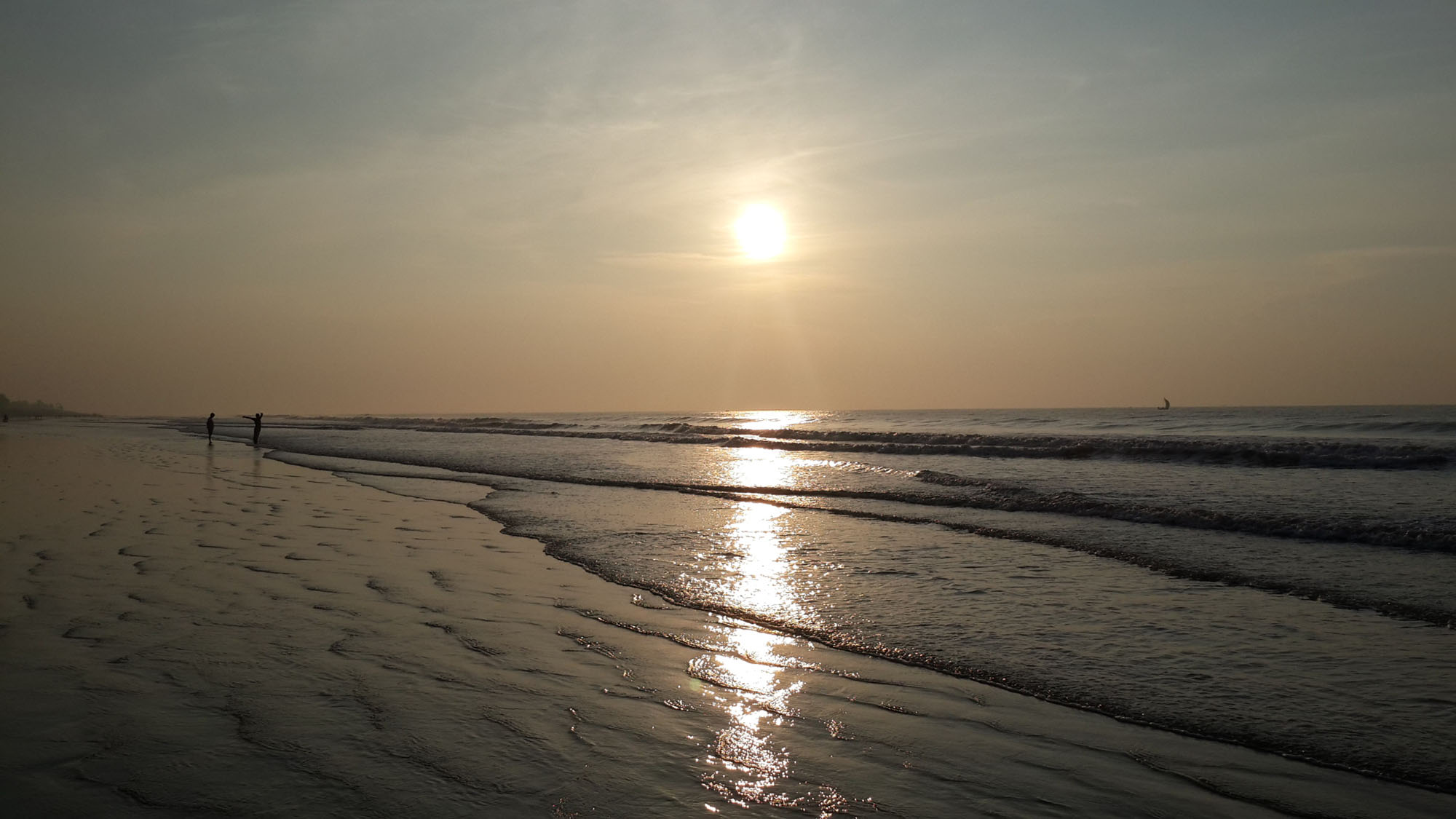
In Digha summers are hot with the temperature rising up to 37 degrees Celsius. Since it is really hot, summers are not the best time to visit Digha. Bringing relief from soaring temperature the monsoon hits the city in July. However, tourists stay away during the monsoon because of the high level of humidity. Mercury starts dropping from October onwards. The ideal time to enjoy the beauty of beaches in Digha is the winters and travellers come here in hoards.
Summer (March – June): The mercury starts soaring from March onwards. However, the temperature never crosses 40 degree Celsius. Even though the weather will be hot in summer months, the cool sea breeze brings a little comfort. However, during this season it is not advisable to visit Digha as you will not be able to relax and enjoy on the beaches in the scorching heat.
Monsoon (July – September): From July the monsoon starts and it will go on till September. The mercury level dips in this season and Digha witness average rainfall. In monsoon you can visit the place but the humidity is high and during monsoon not many tourists prefer to plan a trip here.
Winter (October – February): The winter season is witnessed in Digha from October to February. The temperature ranges between 3 to 24 degrees Celsius. The best time to visit Digha is winter as the weather is pleasantly cool. You can enjoy swimming, surfing, scuba-diving, jet-skiing and all other beach activities. Make sure to book your hotels in advance if you are planning to visit the place during this season because there will be rush as many tourists prefer winters.
You would also be able to see the famous Durga Puja of Bengal if you plan a trip to Digha around the month of October.
Other Attractions
New Digha
New Digha is the new attractive town. Apart from some of the best hotels and beaches, there is also the Science Centre, which was established by the National Council of Science Museums. It is a major tourist attraction. To measure the height of tourists individually there is a fun glass in the centre.
There are facilities for boat riding in the small lake and park in New Digha. There is also a snake farm.
Shankarpur
Shankarpur beach is one of the other recent discoveries. It is 14 km away from Digha and has several hotels. Tourists also visit the Shankarpur Fishing Harbour Project on this beach.
Junput
Another beach resort is Junput. But only when the tide ebbs the beach gets exposed. It is an unspoilt beach that lies 40 km away from Digha beach. Buses ply from Digha beach to Junput regularly.
